Leche para el Bienestar Expands Technical Training for Dairy Farmers
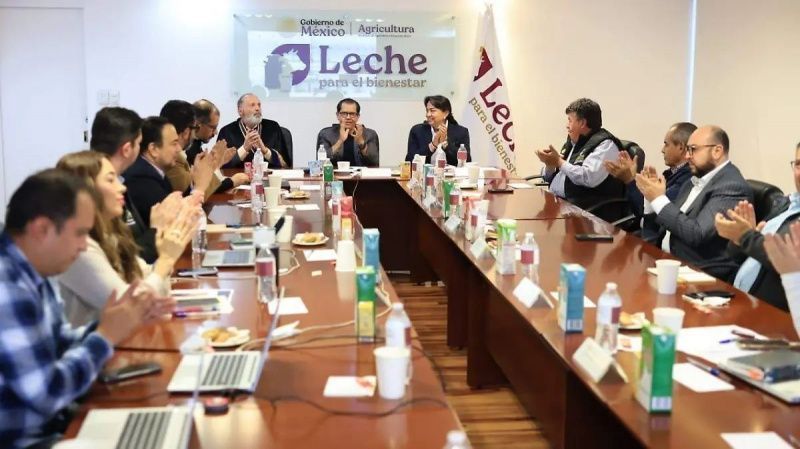
Leche para el Bienestar began the programme in Mexico’s main dairy-producing regions, focusing on small and medium-sized farmers. The scheme provides technical and veterinary assistance to family-run units and sets out methods for meeting the standards applied at the country’s milk-collection centres.
Training covers Good Livestock Practices and hygienic milking procedures. Sessions address the prevention and treatment of mastitis, the controlled use of veterinary medicines to avoid antibiotic residues, and the correct operation of cooling tanks. The programme also instructs farmers to maintain the cold chain from the farm, while preserving milk’s fat and protein content and keeping bacterial levels within Mexican health regulations.
The initiative includes field assessments when inspections identify shortcomings in herd health, facilities or biosecurity. Technical teams work with affected producers on corrective measures rather than automatically removing their farms from the official supplier register. Farmers may resume formal deliveries after addressing the observations and meeting the required safety conditions.
The programme operates in important dairy states including Jalisco, Chihuahua, Veracruz and Hidalgo. Its stated aim is to help producers deliver milk with suitable solids content and low acidity, allowing them to receive the official guarantee price without deductions linked to quality penalties.
The source describes the training as direct support for the income of producing families, particularly while feed costs are rising. It also says that meeting the collection requirements can reduce producers’ reliance on informal intermediaries, which may pay less for fresh milk during periods of high output.
Leche para el Bienestar says the strengthened technical assistance supports a social-supply model based entirely on domestically produced milk. The milk collected through the network is intended for pasteurisation and social fortification, while the programme continues to promote the retention of participating farms in the national supplier system.