Latvia explores dairy, meat and food-tech exports to Kazakhstan
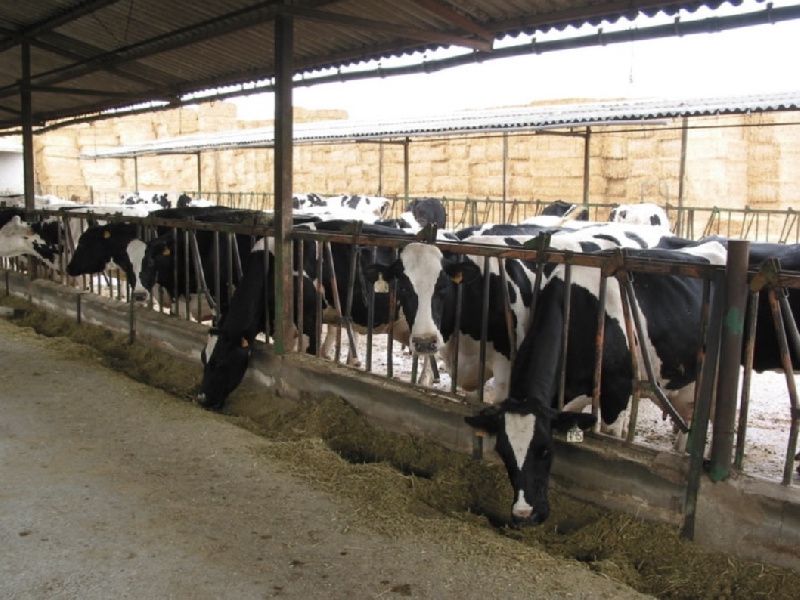
Latvia and Kazakhstan are discussing possible projects to exchange experience and transfer knowledge across several parts of the agricultural and food sectors, according to the International Affairs Department of Latvia’s Ministry of Agriculture. The areas under discussion include dairy and livestock farming, food processing, aquaculture, veterinary services, food safety, agricultural research and innovation, and logistics for farm products.
The ministry said Latvian businesses were considering opportunities to sell dairy products in Kazakhstan, with cheese identified as a particular area of interest. Kazakhstan already buys Latvian fish and fish products, including frozen herring and sprats, and the existing trade is being treated as a basis for further expansion.
Latvian companies have also shown interest in supplying meat and processed meat to Kazakhstan and in cooperating on meat-processing activities. The ministry identified scope for increasing shipments of processed foods with higher added value, rather than concentrating only on unprocessed agricultural commodities. Latvian peat products were also listed among the goods with export potential.
Other opportunities concern companies that provide agricultural, veterinary, digital and food-processing technologies and expertise. The ministry also named cooperation in aquaculture, research and innovation, food safety and agricultural logistics as possible elements of broader bilateral projects.
Latvian agricultural and food exports to Kazakhstan were worth €2.9m in 2025, the ministry said. The shipments included cream-based confectionery, fish products, chocolate, food supplements, fruit fillings, sugar confectionery and plants. The ministry said the presence of Latvian food products in Kazakhstan created opportunities to diversify exports and raise the share of processed products with higher value.
“Latvia remains open to strengthening mutually beneficial cooperation with international partners, with a focus on areas that can generate tangible benefits and opportunities for people and economies and contribute to shared prosperity,” the ministry said. The discussions cover both trade in goods and the exchange of knowledge and technology in agriculture and food production.