La Linqueñita grew from homemade cheese to 50 varieties
Gustavo Schiavi began making cheese at home, and the results circulated among acquaintances and producers connected with wine and beer. Demand increased, leading him to add new varieties. Orders from restaurants and wineries later required higher output. “I had to make larger quantities and produce more to meet demand,” Schiavi said. He gradually left his legal practice and increased the amount of milk processed each day.
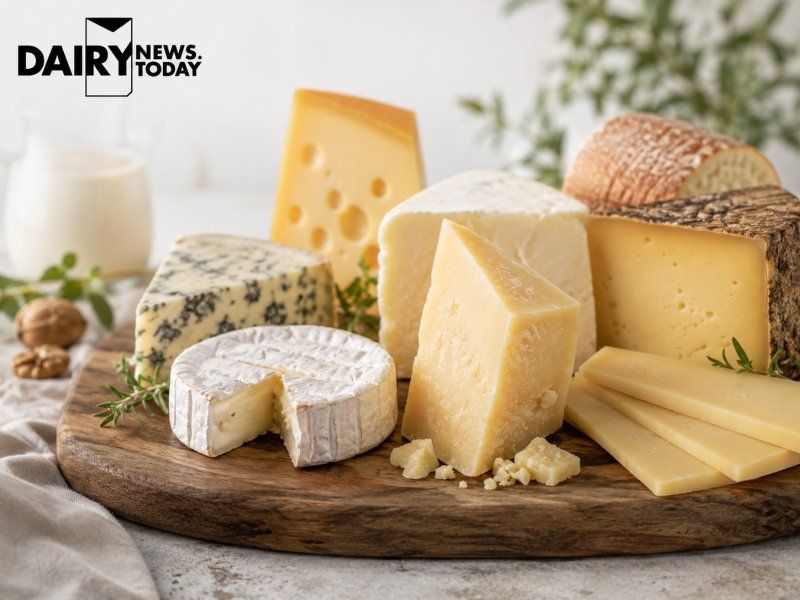
La Linqueñita now maintains nearly the same scale it had five or six years ago. Schiavi says that this size allows him to preserve the style and quality of the products. The business does not compete on volume: it makes between 45 and 50 varieties, generally in small lots. Its range includes camembert, brie, parmesan, blue cheeses and semi-hard cheeses, with the selection depending on the day’s planning and available materials.
Production times differ substantially. A soft cuartirolo may spend about ten days in a controlled chamber before it is ready for consumption. A parmesan-style hard cheese can require a year of maturation, in addition to the finishing work carried out before it reaches the table. The products therefore involve different ageing periods and levels of capital tied up during production.
The company handles the entire process internally, from cheesemaking through maturation and the final treatment of the rinds. Schiavi places particular emphasis on affinage, which involves managing rinds, moulds, yeasts and ageing times to determine when a cheese is ready to eat. He said the professional role of the affineur is more developed in Europe, while much of Argentina’s industry uses more standardised processes that move cheese from brine to packaging and sale.
Prices vary according to the product’s complexity and ageing period. Schiavi reported that an artisanal cuartirolo sells for about $10,000 per kilogram. Different blue cheeses range from roughly $17,000 to $24,000 or $25,000 per kilogram, while parmesan aged for about 18 months reaches around $26,000 per kilogram. These figures refer to La Linqueñita’s own products rather than general market prices.
A significant share of demand comes from food businesses associated with wine. La Linqueñita supplies wineries and restaurants seeking local products for tastings and menus, including establishments such as Angélica de Catena Zapata, Quimera, Pan y Oliva, Casa del Visitante, Bressia, Finca Bandini and Hotel Diplomático. Schiavi also identifies a niche for cheeses, yoghurt and butter among venues that prioritise regional ingredients.
The small scale permits customised production. Schiavi developed a cheese for chef Patricia Courtois of 5 Suelos, a restaurant operated by Durigutti. Called Madame Courtois, it has a shape similar to a brie, weighs about 1.5kg and forms a natural rind with Geotrichum candidum. La Linqueñita also sends cheese to Lincoln and supplies restaurants and consumers in Buenos Aires. Schiavi said he intends to maintain the cheesemaking business at its current scale rather than turn it into a large factory.