L’Etivaz Preserves Swiss Alpine Tradition and Protected Origin
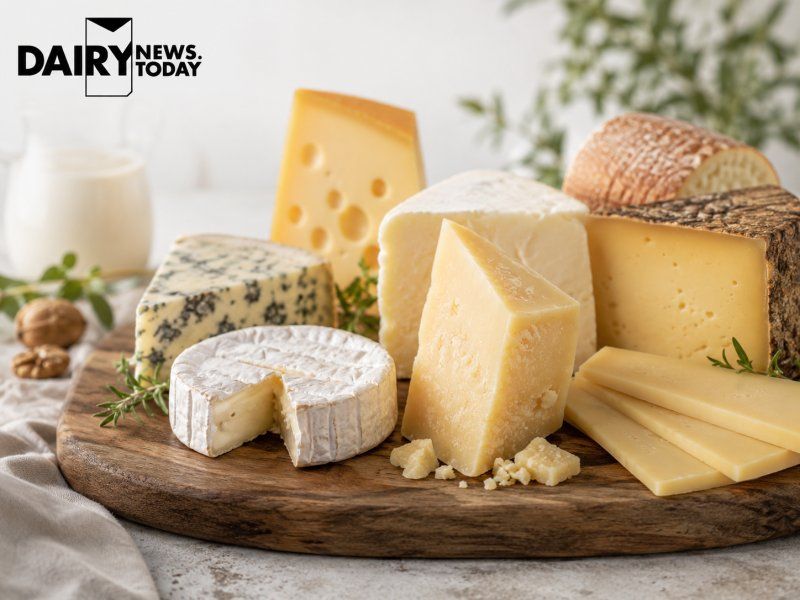
L’Etivaz is made exclusively in the Alps of Switzerland’s south-western canton of Vaud. It became the first Swiss non-wine product to receive protected designation of origin certification in 2000, after a group of farming families separated from the generic Gruyère designation to preserve its specified production method.
Production is restricted to the traditional summer alpine-grazing season, which runs from May to October at elevations between 1,000 and 2,000 metres. Dairy cows eat natural mountain pasture containing herbs and alpine flowers. The production rules prohibit silage and synthetic additives, while the cheese must be made from raw milk.
The milk is processed within hours of the morning and evening milkings in alpine chalets and huts. It is heated without prior thermal treatment in large copper cauldrons set over open fires made from fir wood. Cheesemakers regulate the curd’s cooking temperature manually, and the fire contributes subtle smoky notes alongside flavours associated with the high-altitude pasture.
After pressing in linen cloth and salting, the cheese is taken from the mountain pastures to the cooperative’s central ageing cellars in the village of L’Etivaz. The wheels rest on locally sourced spruce boards for at least 135 days. Longer-aged wheels may remain in storage for 24 to 30 months and are sold as the L’Etivaz à rebibes variety.
The cooperative concentrates the cheese’s marketing and applies a common quality classification. The source describes the resulting pricing structure as premium and linked to the physical work and technical skills required in the mountain camps. L’Etivaz’s sensory profile is described as herbal and fruity, with nutty notes and a light smokiness.
The production model is presented as an example of a high-value dairy product based on origin, raw milk and traditional methods rather than industrial standardisation. Its protected pastures, seasonal schedule and processing rules are also associated in the source with the preservation of mountain landscapes, cultural practices and the economic activity of small rural farms.