Kenya urges Tharaka Nithi farmers to raise milk output
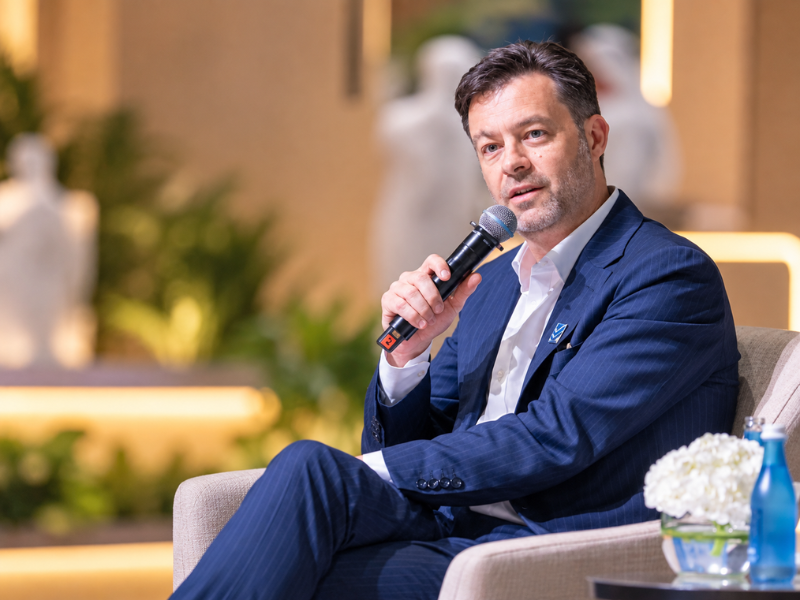
Mutahi Kagwe said the government was seeking coordinated action by farmers, the county administration and national authorities to raise milk volumes while reducing the cost of dairy production. He said increasing supply was the immediate priority for supporting processing activity in Tharaka Nithi.
The government is promoting higher-yielding breeds and modern breeding methods. It has introduced support for sexed semen, which Kagwe said could help improve the quality and productivity of dairy herds over time. Conventional semen costs about Sh7,000, compared with approximately Sh9,000 for sexed semen, and the government’s intervention is intended to improve farmers’ access to the latter.
Kagwe said breeding improvements would need to be combined with better feeding and animal management. He identified feed as a central determinant of dairy-farm profitability and said its price affects the cost of producing milk. To increase supplies of yellow maize, a livestock-feed ingredient, the government is making large public farms available for cultivation and has provided for duty-free imports of the crop.
The secretary also pointed to zero-grazing as a method through which farmers could raise output by improving feeding, breeding and husbandry practices. The government plans to work with the Tharaka Nithi County Government to increase the number of productive dairy animals in the area.
More agricultural extension and veterinary officers are expected to work with farmers on breeding, feeding, animal health and dairy management. The measures form part of a government programme that also includes lower production costs, better cooling facilities and investment in processing and other forms of value addition.
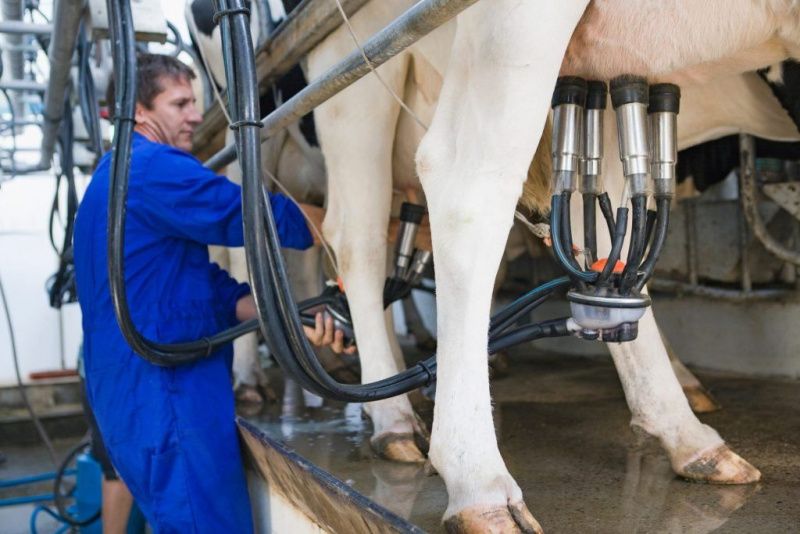
Tharaka Nithi Governor Muthomi Njuki said the county had received eight milk coolers. Six were supplied by the national government and two by the county administration. The facilities are intended to improve handling and preservation after collection and reduce losses before milk reaches processors.
Local politicians and farmers have called for renewed investment in dairy factories. Kareke Mbiuki, the MP for Maara, said farmers were ready to adopt value addition and asked the government to help restore milk factories and provide value-addition equipment. The request forms part of efforts to expand processing within the local dairy supply chain rather than concentrating sales on raw milk.