Kenya's dairy programme will train 1,500 farmers
The initiative is designed for smallholder dairy enterprises linked to coffee-growing households. Coffee income is often concentrated in one or two harvest periods, while milk sales can provide household revenue more frequently. The programme will address constraints including low dairy productivity, animal-health problems, inadequate feeding and weaknesses in milk handling.
Training across seven counties
Approximately 1,500 farmers in Bungoma, West Pokot, Trans Nzoia, Nandi, Kericho, Kisii and Bomet will receive practical instruction. Activities will be delivered across 10 training sites using demonstrations and farmer participation so that techniques can be applied on individual farms.
The curriculum will cover fodder production, feed formulation and planning, breeding, calf care, animal health, dairy housing, manure management, milking hygiene and milk quality. Feeding strategies, the use of locally available fodder and breeding decisions will receive particular attention. The programme will also address calf-rearing methods and guidance on disease prevention, veterinary intervention and herd management.
Veterinary support and milk testing
Alongside group training, 200 selected model farmers will receive artificial-insemination, breeding and veterinary services. Support will include initial assessments, service delivery, follow-up visits and record-keeping. Their farms will be used to demonstrate dairy-management practices within participating communities.
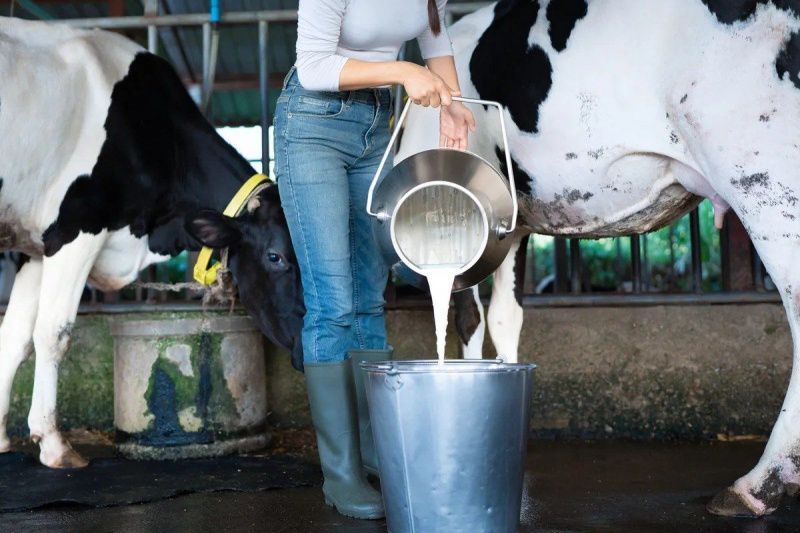
Milk-quality testing and practical demonstrations will take place at three selected farmer and cooperative sites. Farmers will be trained in hygienic milking, clean storage containers, handling and transportation. The programme identifies poor hygiene, collection delays and heat exposure as factors that can lower milk quality and contribute to post-harvest losses.
Climate-smart farming and the coffee link
The initiative will promote composting and, where appropriate, biogas systems to improve manure use. It will also encourage improved fodder production, resource management and other climate-smart practices. Integrating dairy and coffee production is intended to allow farms to recycle resources and manage production costs more efficiently.
The dairy work forms part of the wider Pathways to Prosperity Coffee Project, a seven-year programme supporting 101,500 smallholder coffee farmers, with a focus on women and young people, and strengthening the leadership and governance of 84 coffee cooperatives. The dairy assignment also includes developing the training curriculum, delivering the farmer sessions and targeted services, running milk-quality demonstrations and preparing implementation reports. Applications from qualified consultants or organisations, including relevant taxes, must be submitted by September 2, 2026.