Kazakhstan Proposes SCO to Create a Platform for Water-Saving Agriculture
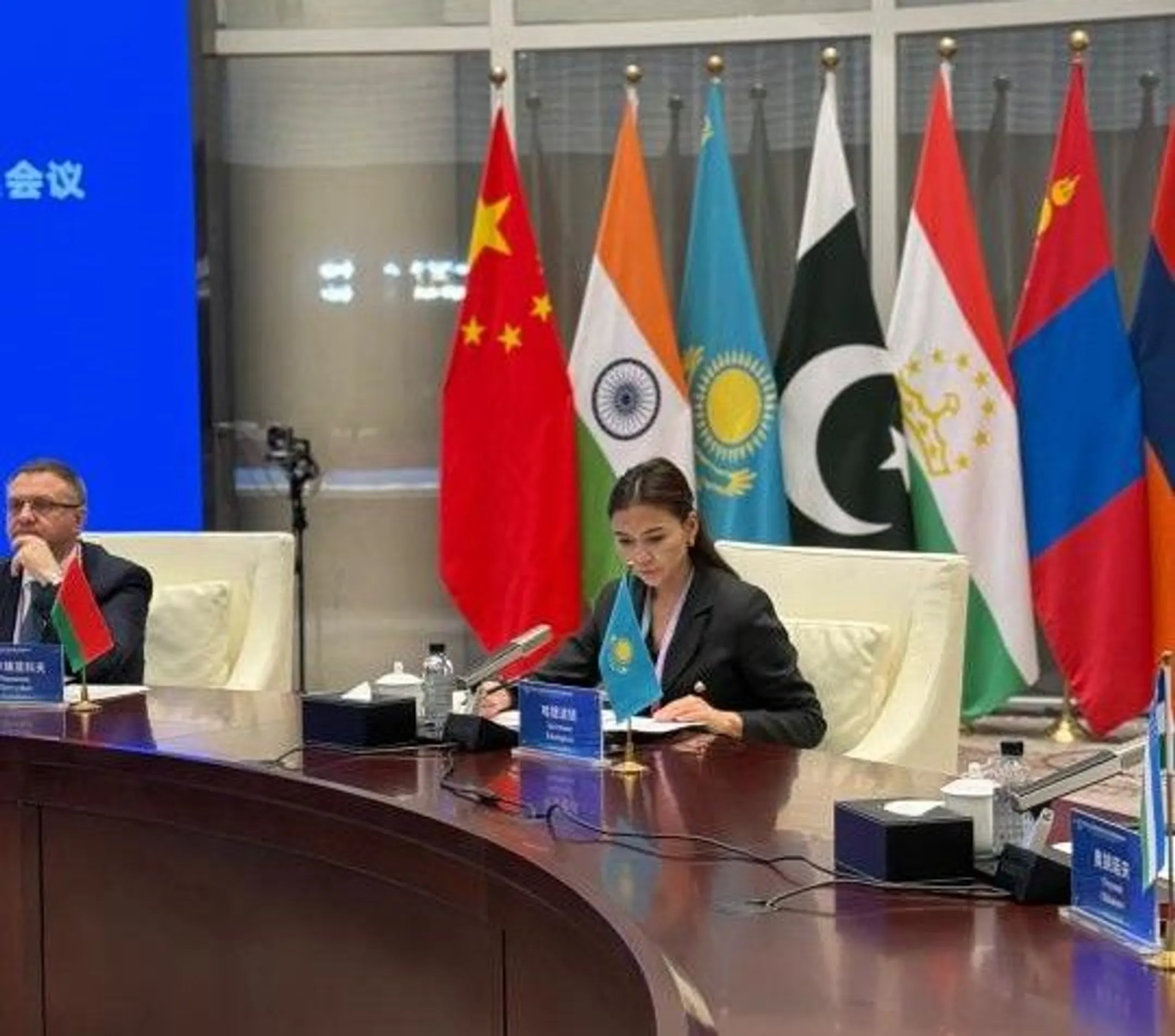
The proposal was made during the SCO roundtable on the development of modern agriculture, which took place during the 33rd Yangling Agricultural Exhibition. Kazakhstan's Vice Minister of Agriculture, Nazgul Khatepova, stated that the rational use of water, updating irrigation systems, and technology transfer are becoming particularly significant amid climate change and water resource shortages.
According to the Kazakh ministry, irrigated lands in the country cover 1.6 million hectares. Water-saving solutions are used on 702.3 thousand hectares, or approximately 44% of this area. In 2025, modern irrigation systems allowed for the reduction of irrigation water consumption by approximately 874 million cubic meters.
State support for farmers transitioning to these technologies has been expanded. The share of compensation for the purchase and installation of water-saving equipment increased from 60% to 80%. The subsidy for the cost of irrigation water for farms using these systems increased from 50% to 85%. Investment subsidies in this sector for 2026–2028 are planned at 214.6 billion tenge.
Kazakhstan is also developing the production of irrigation equipment within the country and improving water resource management. The authorities' target is to increase the area of water-saving technology application to 1.3 million hectares by 2030. The ministry's materials state that achieving this area could result in an annual water saving of up to 2.2 billion cubic meters.
The proposed platform should unite government bodies, research institutions, agricultural universities, equipment manufacturers, and agricultural producers of SCO countries. Possible work directions include joint research and field testing, research exchanges, and specialist training. Technological priorities include drip and sprinkler irrigation, precision agriculture, digital soil moisture control, and automated irrigation management.
Measures against soil salinization of irrigated lands and increasing agricultural production resilience to climate change were separately discussed. Khatepova stated that integrating the scientific, technological, and production capabilities of the organization’s countries should focus on farm-applicable solutions. She also emphasized the need to consider natural conditions and agricultural producers' needs when implementing developments.
As part of the work program, the Kazakh delegation visited exhibition pavilions dedicated to international agricultural cooperation, high-tech developments, and agricultural machinery. Participants explored solutions in agricultural engineering and technologies aimed at increasing production efficiency.