Kazakh and Italian Entrepreneurs Sign Agreements Worth $436 Million
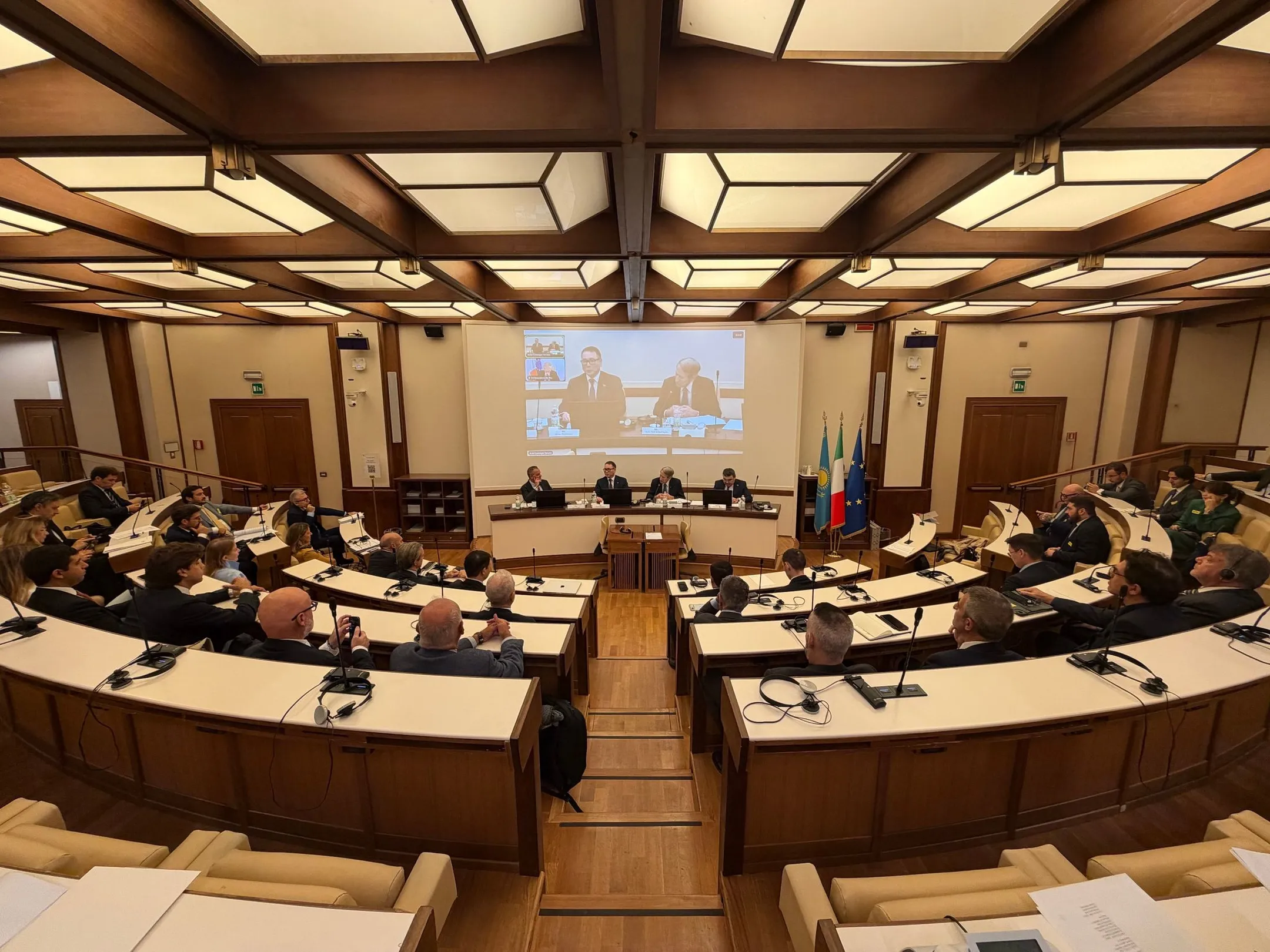
Kazakhstan's trade and economic mission took place in Roma on October 9. The Kazakh delegation included companies from the agro-industrial complex, food and light industries, oil and gas and petrochemical sectors, engineering, construction, innovative technologies, and services.
Discussions focused on expanding mutual trade, direct supplies, and production cooperation. Special emphasis was placed on the export of grains and their processed products from Kazakhstan. According to the Ministry of Trade and Integration, the Italian market is seen by Kazakh producers as a way to diversify exports and enter new sales channels in Europe.
As part of the business program, a meeting was held with representatives from Coop Italia, one of Italia's largest cooperative retail networks. Participants considered the promotion of Kazakh products through Italian retail networks and the possibility of establishing direct commercial contacts.
Kazakhstan's Minister of Trade and Integration, Arman Shakkaliev, stated that the priority is not only to expand the export geography but also to create sustainable trade links, develop production cooperation, and enhance the competitiveness of Kazakhstani goods. He also took part in the round table "Italia – Kazakhstan: Strategic Dialogue and Cooperation Prospects," discussing supply chains between the two countries and Central Asian nations.
At the round table, Shakkaliev presented the "Made with Italy in Kazakhstan" concept, which envisions combining Italian technologies and industrial experience with Kazakhstan's production and resource capabilities to produce high-value-added products.
The report also mentions that Kazakhstan has prepared other export initiatives. The potential for supplying processed products to Austria is estimated at $637.5 million, covering 100 product positions, including metallurgy, petrochemicals, food products, and engineering. For Turkmenistan, a list of 178 non-commodity items with a total export potential of over $200 million has been formed, and increased supplies of oils, groceries, and grains are being considered for Belarus.