Kashmir Plans an Embryo-Transfer Laboratory to Raise Dairy Yields
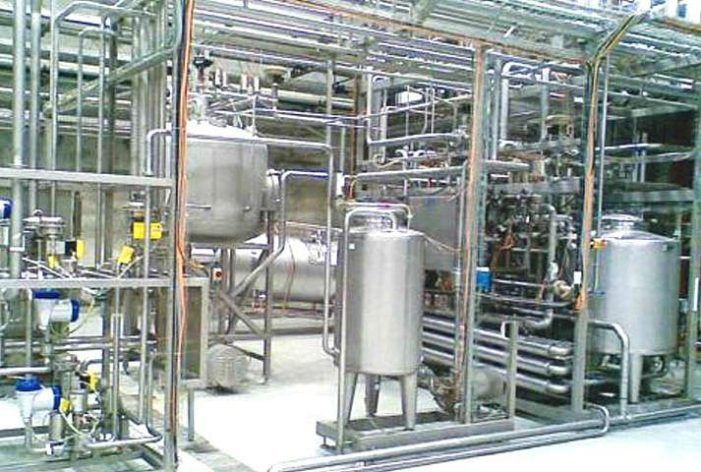
Kashmir’s proposed laboratory would support breeding programmes using multiple-ovulation and embryo-transfer procedures. These techniques enable technicians to collect embryos from cows with desirable production traits and place them in recipient animals. The approach is intended to accelerate the spread of selected genetics through the regional herd.
Conventional artificial-insemination programmes have generally required several generations to raise average milk production. That timetable has limited the speed of herd improvement in remote rural districts. Embryo transfer provides a method for producing more replacement animals from elite donor cows within shorter breeding cycles.
The planned genetic work addresses production conditions in a dairy basin where geographic isolation and seasonal pasture deficits constrain farming operations. Milk output per animal is particularly important for smallholders keeping herds of between two and five cows. These producers face higher feed expenses and limited operating margins when animals yield relatively little milk.
Winter fodder shortages and rising commercial feed costs add pressure to farm economics. Increasing daily lactation volumes through genetic selection would raise the quantity of milk solids obtained from each animal. The source material identifies this as a way to reduce the production cost associated with milk solids and to limit the effect of seasonal changes in farmgate prices on producers’ incomes.
The proposed improvement in herd productivity would also affect the region’s milk-collection system. State cooperative federations and private dairy companies currently experience fluctuations in procurement, with larger supplies during the spring flush and marked shortages in winter. These changes can leave processing facilities and regional chilling centres operating below their preferred capacity.
A larger population of genetically selected, higher-producing cattle would provide a more consistent base of raw milk for processors. During periods of shortage, the region has relied more heavily on powdered recombined milk inputs. The planned breeding intervention is therefore linked in the source material to efforts to strengthen domestic milk supply chains and provide upstream dairy facilities with steadier intake.