Kansas Dairy Growth Depends on Immigrant Workers
Kansas’s dairy farms have become larger and more numerous since the late 1990s, when dairy operators from California sought land and resources for expansion. Western Kansas offered extensive farmland, established livestock operations and nearby agricultural production for cattle feed. Companies including Hilmar have invested in the state’s dairy sector.
Finding workers to milk cattle remains difficult. Milking requires long hours and daily attention, including on holidays. A 2015 Texas A&M study found that immigrants accounted for 51% of dairy workers, while dairies employing immigrants produced 80% of the milk supplied in the United States. In high-production states such as Wisconsin, immigrants represented as much as 70% of dairy workers, including many without full legal status.
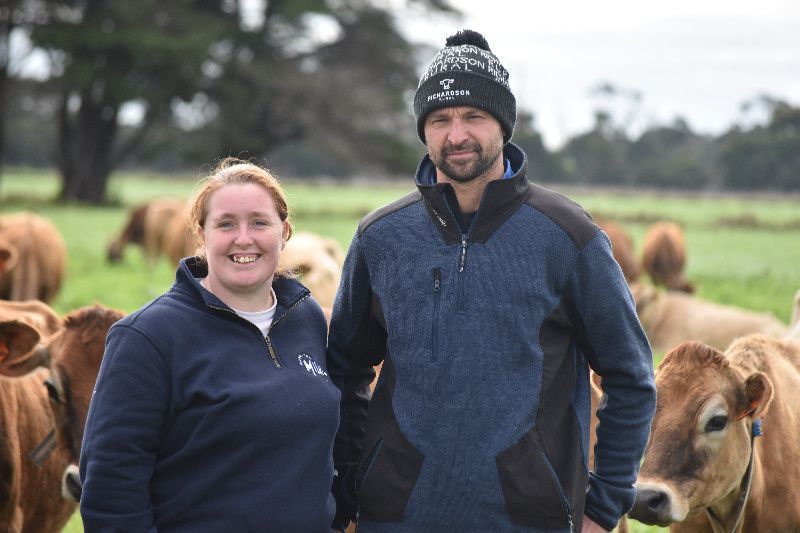
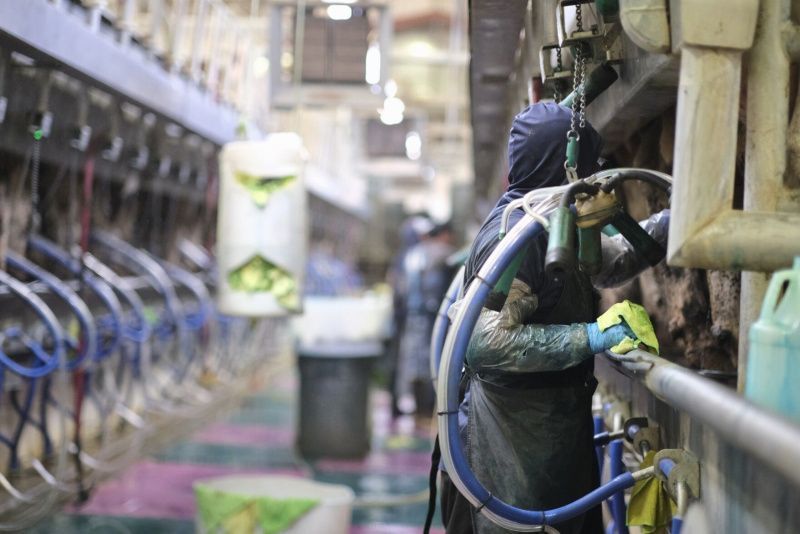
Paul, a Guatemalan immigrant whose official name was withheld because he feared being targeted by immigration authorities, supervises a team that milks more than 4,000 cows twice a day at a southwestern Kansas dairy. He came to the United States at 16, worked in Texas meatpacking plants and later moved to rural Kansas. His employers advertised openings but received six applications. Paul said some workers, including American-born citizens, left within days.
Kansas agricultural representatives describe immigrant labor as important to the sector’s expansion. Cole Sjeklocha, director of dairy industry relations at the Kansas Livestock Association, said rural growth in western Kansas could not occur without immigrant workers. Chelsea Good, director of the Kansas Dairy Association, said dairy farms and their employees provide jobs connected to feeding cattle, processing and other local services.
Several small towns gained residents after large dairies opened during the 2000s. Syracuse and Plains experienced population increases, and Hispanics now account for 40% to 50% of their populations. Mike Brouk, a dairy-industry specialist at Kansas State University, said school officials in western Kansas had linked dairy families to maintaining school enrolment. Paul said he had friends deported to Guatemala who later died in gang violence. He also said immigration enforcement and public rhetoric had made him fearful while he continued working to support his family.
Kansas State’s dairy sector is among the country’s fastest-growing, according to Brouk. He linked rising demand for dairy ingredients to higher-protein diets. Whey, once treated as a discarded byproduct, has become a commodity used in protein products; casein, another milk protein, is also added to snacks.
The Kansas Livestock Association and the Kansas Dairy Association support the Securing Agriculture’s Workforce Act, introduced during the summer. The bill would remove the seasonal-work requirement for H-2A visa holders and create a route for qualifying unauthorised agricultural workers already in the country. Dairy expansion also depends on feed production, which uses billions of gallons of water from the Ogallala Aquifer in western Kansas. Paul said immigrant workers were needed to help provide the food consumed by people across the country.