J&K Government Plans Pilot Embryo Transfer Laboratory
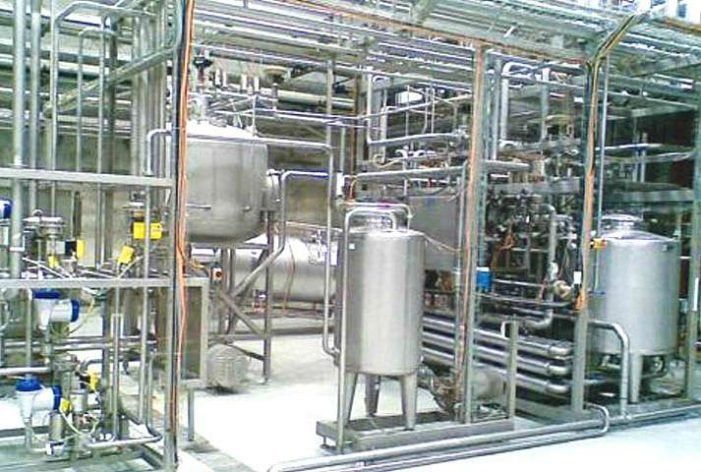
The Agriculture Production Department outlined the proposed laboratory and related dairy measures in a response to an unstarred question from MLA Javaid Riyaz. The government said milk availability per person in Jammu and Kashmir is already above the national average, while efforts continue to increase total output and productivity for individual animals.
The laboratory would add embryo-transfer work to existing breeding programmes. Under the Rashtriya Gokul Mission, the administration is using artificial insemination, sex-sorted semen and other breed-improvement measures. The artificial-insemination network is being expanded through doorstep services, more MAITRIs, quality-assured frozen semen and high-genetic-merit germplasm. The Frozen Semen Station at Ranbirbagh is also being strengthened to produce semen doses.
Support for dairy infrastructure is being provided through several schemes. The Integrated Dairy Development Scheme offers eligible beneficiaries assistance to establish or enlarge dairy units, buy milch animals and develop chilling and value-addition facilities. The National Programme for Dairy Development covers milk procurement, chilling, processing, testing and quality assurance. A competitiveness-improvement project for agriculture and allied sectors is supporting milk aggregation and Bulk Milk Coolers, as well as processing and value-added activities for eligible individuals, self-help groups, farmer-producer organisations and cooperatives.
Feed supply is another area covered by the government’s programmes. Under the Holistic Agriculture Development Programme, support includes fodder cultivation and conservation, hydroponic fodder, hay and silage production, and related dairy activities. Authorities are distributing fodder-seed kits and establishing fodder depots, while also promoting chaff cutters, hydroponic units and facilities for making hay and silage.
Animal-health measures are being delivered through the Livestock Health and Disease Control Programme, including preventive vaccination, disease-control activity and veterinary services. Mobile Veterinary Units and the toll-free 1962 helpline provide veterinary support. The administration is also conducting farmer training, capacity-building, ration-balancing and awareness programmes focused on animal health, nutrition and dairy management. The National Livestock Mission supports livestock insurance and other allied activities, subject to scheme rules and available funds.
Eligible dairy farmers and entrepreneurs can access institutional finance through the Kisan Credit Card and other applicable schemes. Animals introduced under the Integrated Dairy Development Scheme are insured in accordance with its provisions. Assistance is also available for milk pasteurisation, packaging and the production of curd and paneer. The government said the measures are being implemented through departmental and centrally sponsored schemes, with the stated objectives of developing the dairy value chain, raising farmer incomes, supporting dairy businesses and creating employment.