INTA Rafaela Tests Beef-on-Dairy Crossbreeding
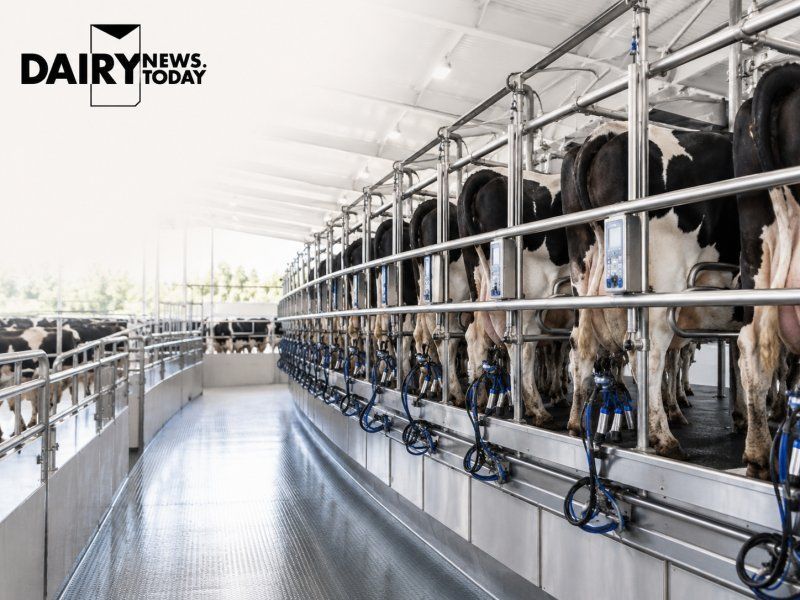
INTA Rafaela’s project applies beef-on-dairy breeding to an Argentine dairy system. The approach uses dairy genetics selectively rather than replacing them: sexed dairy semen is reserved for animals with the strongest genetic merit, while beef semen can be used on other cows and heifers once the farm’s replacement needs are covered. Aberdeen Angus is among the beef-breed options cited by the project.
The plan depends on first establishing how many female calves the herd must produce. Veterinarian Nicolás Welschen said that improvements in calf-rearing indicators had created room for the strategy at INTA Rafaela. Annualised female mortality is below 1%, while reproductive performance and the targeted use of sexed semen help secure the required number of replacement heifers.
Before assigning beef semen, the farm must assess its culling rate, conception performance, heifer mortality, available replacement animals and future requirements. Excessive use of beef genetics could leave the herd short of dairy females later, while producing more replacements than necessary would commit resources to animals the farm may not need. The breeding programme therefore divides the herd according to its reproductive and genetic role.
Terminal crosses are intended to produce calves with greater suitability for beef production than pure dairy males. Traits such as growth and conformation may make the animals more suitable for rearing and finishing systems. The dairy farm would continue producing milk and raising its own replacements, while directing part of its breeding programme towards calves with a higher potential value in the beef market.
The economic calculation includes more than the prevailing cattle price. INTA Rafaela is also considering semen costs, conception rates, calving ease, birthweight, later growth and the price actually paid for crossbred calves. The project will measure feed conversion and carcass quality to determine whether the expected value of the calves is maintained through subsequent production stages. Results may vary according to the beef breed, the bull’s genetic merit, the dam’s genetics, feeding and management during rearing.
The first 30 terminal crosses, expected in March 2027, will begin an evaluation rather than provide a final assessment of the system. The trial is designed to examine growth, conversion, productive performance and carcass quality. Farms with high calf mortality, low pregnancy rates or insufficient heifer production would have less scope to adopt the method. When replacement numbers change, the farm can adjust the balance between dairy and beef semen without altering its basic dairy structure.