Inspection seals determine where Brazilian dairies can sell
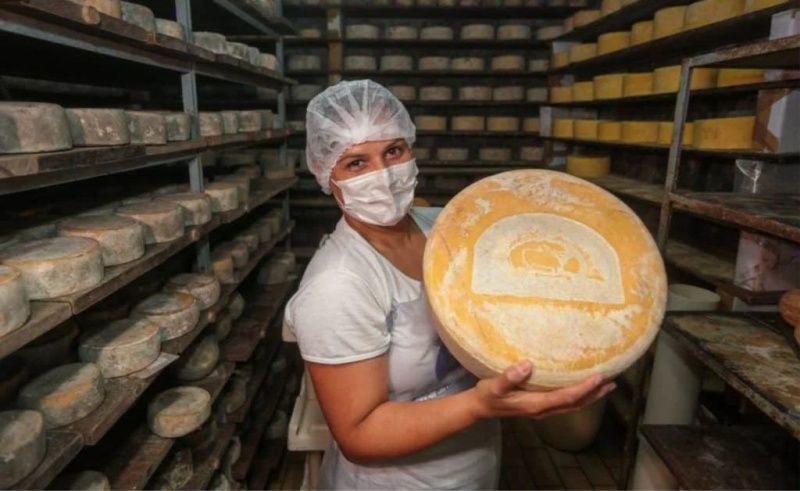
Sanitary inspection registration applies to products of animal origin, including milk and dairy goods, meat, eggs, fish and honey. In São Paulo, more than one level of government can issue the relevant authorisation, and the issuing authority determines where the product may be sold.
The rule covers both industrial manufacturers and small artisanal producers. The state agricultural defence inspection authority says regularisation confirms compliance with hygiene requirements and good manufacturing practices throughout production.
Different seals, different markets
The Municipal Inspection Service, known as SIM, allows a dairy to market its products only within the municipality where they were made. This restricts the sales territory of producers whose businesses are based on cheese and other dairy products when they seek customers beyond their home municipality.
The São Paulo Inspection Service, or SISP, permits distribution throughout the state. It therefore provides access to a larger market without requiring a producer to move immediately to the federal inspection system.
Three designations allow sales across Brazil: the Federal Inspection Service (SIF), the ARTE seal for artisanal production, and the Brazilian Inspection System (SISBI). Among them, SIF is the only designation listed as also authorising international exports, allowing an approved dairy to sell outside Brazil.
Inspection and consumer checks
For producers, the hierarchy sets the regulatory conditions for reaching supermarkets and buyers in other municipalities, states or countries. A business operating under SIM must obtain a different form of authorisation if it is to expand beyond the municipal market; possible destinations include the markets covered by SISP, SIF, SISBI or the ARTE seal, according to the applicable registration.
Consumers can check the inspection mark on the label before buying. The mark indicates that the product was inspected by the relevant authorities before reaching the shelf. The inspection process is presented as a measure intended to reduce contamination risks and prevent foodborne diseases in everyday consumption.