Indonesian Dairy Farmers Urged to Adopt Value-Added Processing
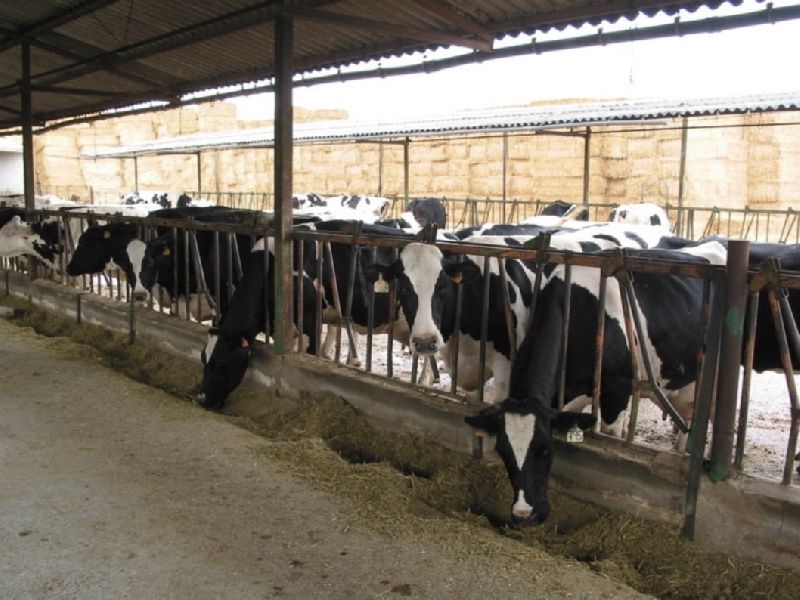
Industry experts from Universitas Gadjah Mada (UGM) have recommended that Indonesian dairy farmers transition from supplying raw milk to engaging in downstream processing to capture higher profit margins. This shift is seen as crucial for smallholders who currently operate predominantly as raw milk suppliers, a role that limits their ability to capture significant market value.
According to UGM's analysis, the highest profit margins in the dairy sector are typically captured by corporations that possess advanced processing technology, branding capabilities, and extensive distribution networks. To address this disparity, Satyaguna, an industry expert, suggests that mere expansion of raw milk production is insufficient. Instead, localized farming networks should focus on product diversification to enhance their bargaining power.
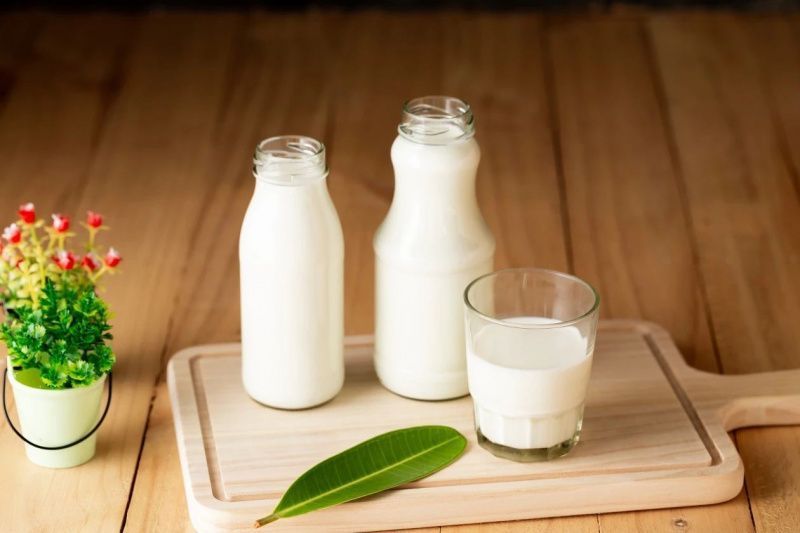
The transformation of raw milk into value-added products such as pasteurized milk, yogurt, ice cream, milk pudding, and cheese is identified as a key strategy for smallholder groups. This approach not only increases profitability but also extends the commercial shelf life of their perishable products.
However, Satyaguna emphasizes that successful transition requires more than just acquiring advanced equipment. Continuous technical training and operational mentoring are essential to ensure these initiatives do not become ceremonial. Comprehensive development programs should cover milk processing techniques, business management, regulatory compliance, and digital marketing strategies.
A central aspect of this transition is the modernization of local farmer groups and cooperatives into professional economic entities. These organizations must be capable of managing daily operations, quality control, large-scale processing, and consumer marketing. Additionally, integrating women into strategic roles within these processes is highlighted as a means to create a more inclusive and resilient economic foundation.
To build a balanced agricultural ecosystem, collaboration among state governments, academic institutions, cooperatives, and private firms is crucial. Coordinated efforts in financial support, technology transfers, and market access can transform primary producers into key players in downstream manufacturing, promoting long-term financial independence and national dairy self-sufficiency.