Indian state signs agreement to supply local milk to ITBP
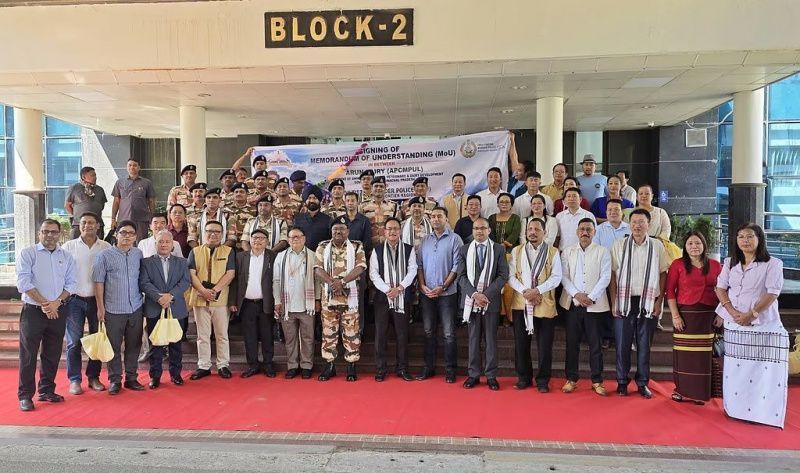
The agreement was formalised at the Civil Secretariat in Itanagar, at a ceremony that also marked the dispatch of milk supplies. Gabriel D. Wangsu, Arunachal Pradesh's minister responsible for animal husbandry, veterinary services and dairy development, presided. Participants included senior state officials and Abu Sufian, deputy inspector general of the ITBP's North East Frontier. The state's Department of Animal Husbandry, Veterinary & Dairy Development is the government party to the memorandum.
The procurement arrangement links producers with ITBP units serving at high-altitude border posts. Mountainous terrain and widely scattered settlements have complicated commercial milk collection in Arunachal Pradesh, particularly for smallholders outside organised networks. Transport to urban retail markets can be prohibitively expensive, and surplus milk has been discarded locally during periods of peak production. The agreement establishes a direct purchasing channel between the force and rural dairy suppliers.
Wangsu linked the initiative to the principle of “Hail the soldier, hail the farmer”, describing a connection between agricultural producers and supplies for personnel guarding the border. The partnership is intended to give those personnel access to fresh dairy products while supporting village businesses. Its procurement framework provides cooperatives with a regular buyer for milk produced in remote areas, where dependable commercial outlets have been difficult to establish.
Y.V.V.J. Rajasekhar, the department's secretary, outlined investment across collection, cooling and processing. The work includes milk reception centres in villages, equipment for chilling milk in bulk, and upgraded pasteurisation and packaging facilities. Automated packaging equipment in Itanagar is intended to support the safe movement of pasteurised milk and processed dairy products through mountain transport routes. These investments form part of the department's wider upgrading of the dairy supply chain.
Supplying the force entails compliance with food-safety requirements and temperature controls during storage and delivery. Quality checks cover bacterial contamination, adulteration, milk fat and solids-not-fat content. Screening raw milk and maintaining microbiological safety during processing and transport are among the requirements described for institutional supply. The infrastructure programme encompasses both the collection of milk from producers and its preparation for delivery to the ITBP.
The purchasing contracts are intended to make cooperative income more predictable and reduce exposure to fluctuations in open-market sales. Regular receipts would support electronic payments to farmers, subsidised cattle feed and shared veterinary services. The state is also expanding processing capacity and extending collection routes in its upper administrative districts as it heads into 2027. At farm level, the programme seeks to encourage improved breeding, forage management and herd productivity, alongside rural employment in border communities.