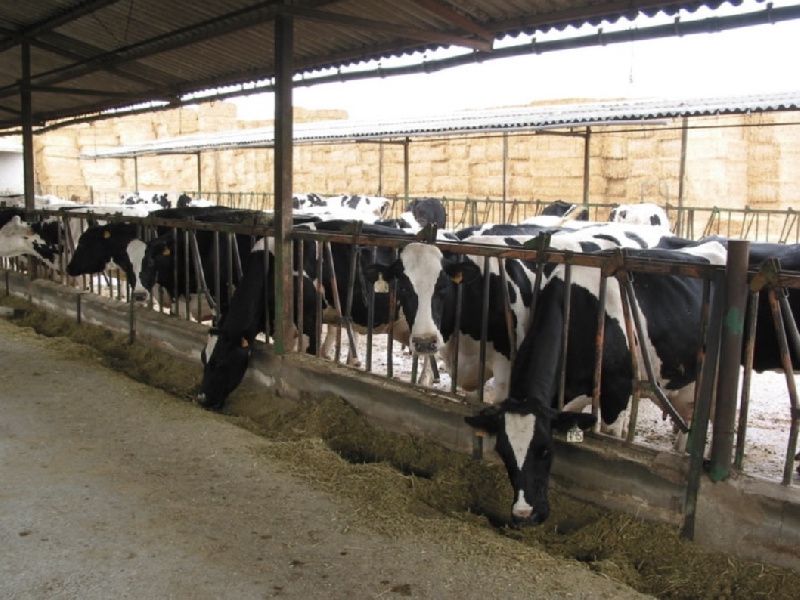
India’s poultry industry seeks government action as drought tightens maize supplies
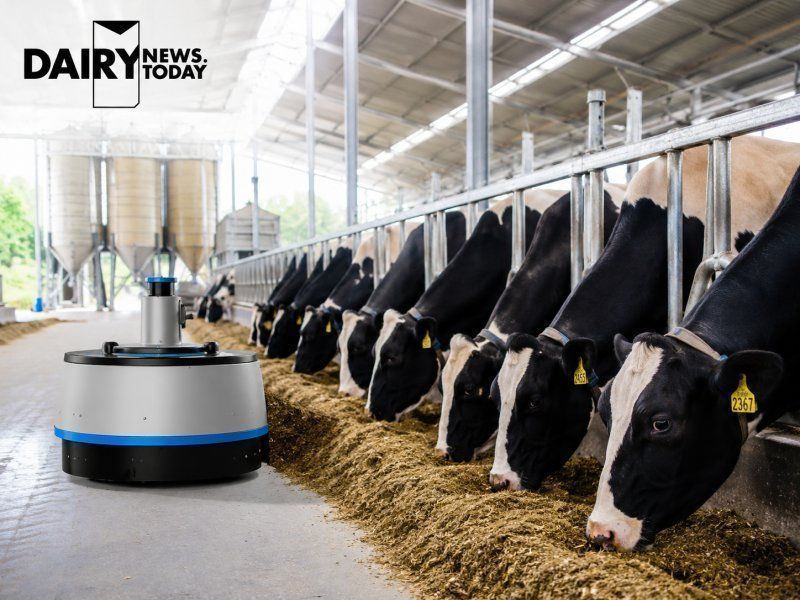
Maize serves several markets with different requirements. Poultry businesses use it as an energy source in compound feeds, starch processors turn it into industrial and processed products, and ethanol plants use the grain as a production input. Livestock-feed companies also purchase maize for balanced rations. The supplied article identifies higher purchasing costs and less predictable access to ingredients as potential consequences of the supply squeeze for businesses serving these markets.
For dairy cattle and buffaloes producing milk, maize grain provides starch-derived energy in concentrate mixtures. Farmers also grow maize for whole-plant silage, preserving green forage for use when fresh fodder is scarce. Grain and silage have different nutritional functions, and the article notes that their supply conditions and pricing can vary. The possible effects on dairy producers depend on local markets, the severity of the shortage, ration composition and access to other ingredients.
More expensive concentrates could increase dairy farms’ spending alongside existing bills for labour, water, veterinary services and fodder. The article identifies farmers’ ability to buy feed, the quality of substitute ingredients, herd-management practices and milk prices as factors shaping the consequences for production. It recommends consulting animal-nutrition specialists when changing rations, with attention to their energy, protein and fibre content. Inadequately formulated substitutions could impair nutritional balance and animal performance.
The article lists sorghum, broken grain and other approved energy ingredients among possible alternatives, depending on local supplies and professional formulation advice. It also proposes maintaining ingredient inventories, arranging purchases before expected shortages and using a broader range of suppliers. For dairy cooperatives and feed businesses, suggested measures include tracking prices in individual regions, organising purchases jointly and advising farmers on efficient feeding. These measures are presented as ways to manage exposure to fluctuations in maize availability and cost.
Forage preservation is another option discussed in the article. Making silage when suitable green material is available can provide feed during seasonal shortages and reduce reliance on urgent purchases. Decisions about using conserved forage or grain need to reflect the nutritional requirements of the animals. The article also identifies fodder banks and wider use of silage conservation as possible measures to help livestock owners cope with disruptions caused by adverse weather.
The policy options outlined include closer tracking of maize inventories, more accessible market information, assistance for drought-resilient crop cultivation and investment in alternative feed materials. The article frames these proposals around the competing requirements of food supply, livestock farming and industrial users. It says government decisions would need to account for the requirements of the different maize-consuming industries, prevailing supply conditions and possible effects on food and animal-feed markets.