India: Jeevika livelihood initiatives involve approximately 198,000 families in dairy farming
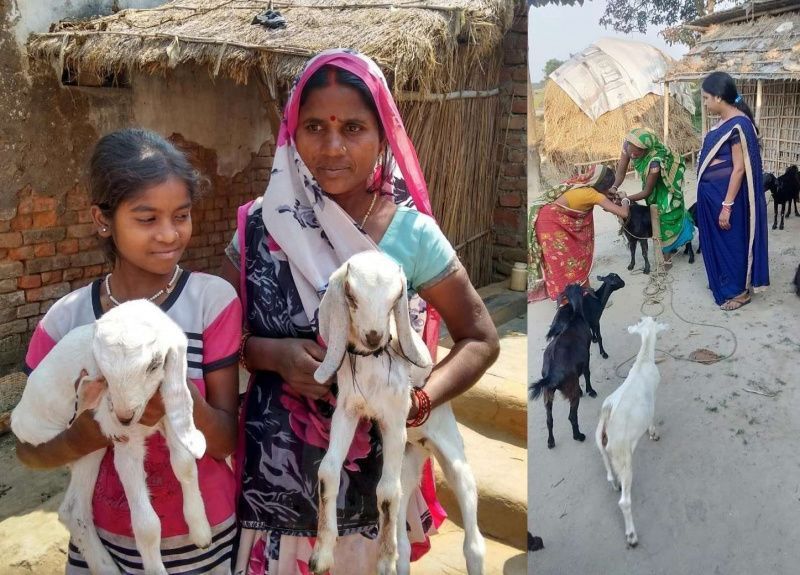
Jeevika operates under Bihar’s Rural Development Department. Its livestock programmes encourage households to supplement agricultural earnings with other activities. The government’s stated objectives include raising household incomes, creating sustainable employment for rural families and improving their financial stability. Support combines services delivered within communities, veterinary assistance and educational programmes for livestock owners.
Departmental figures put participation in goat rearing at 918,000 families, making it one of the initiative’s largest activities. Approximately 250,000 families are involved in poultry, while fisheries account for 751 families. The government promotes participation in several types of livestock activity as part of its approach to diversifying rural livelihoods.
A network of 8,992 trained workers, known as Pashu Sakhis, provides animal-health support across Bihar, according to the department. These community workers connect households that keep livestock with veterinary services and help villagers obtain basic care and practical guidance locally. Their duties include initial treatment for animals and advice on feeding, nutrition and livestock management.
The Pashu Sakhis also teach livestock owners about disease prevention and animal health. Through this village-level network, the government aims to make basic services easier for rural households to access and improve the productivity of their animals. For dairy households, the support includes guidance on feeding and caring for milk-producing livestock.
Bihar has also held 1,108 camps devoted to animal health and awareness, covering all 38 of its districts. The camps offer basic treatment alongside information about nutrition, health and day-to-day animal care. Their educational work includes preventive healthcare and livestock-management practices. Extending such services to rural communities forms part of the government’s effort to improve access to animal-health guidance.
Shravan Kumar, the minister responsible for rural development and information and public relations, described livestock farming as an important means of improving the finances of farmers and rural households. He highlighted efforts to deliver welfare and livelihood schemes to eligible families through Jeevika, which was established under former chief minister Nitish Kumar’s leadership. Kumar also stressed animal health, adequate nutrition and improved care as elements of the government’s work to support sustainable rural incomes.