IFFO conference research: Aquafeed carbon footprint rose approximately fourfold as marine ingredient use fell
European aquaculture output more than doubled over the period examined. By 2020, ingredients of marine origin made up approximately 20% of feed, compared with nearly 75% for plant products. Although the total quantities of fishmeal and fish oil declined, the research recorded an approximately eightfold increase in the land footprint and a roughly threefold rise in water consumption. These findings were presented at the International Fishmeal and Fish Oil Organisation (IFFO) conference, held in Buenos Aires, Argentina, on 19–21 October 2026. The analysis covered European production and changes in feed composition over those two decades.
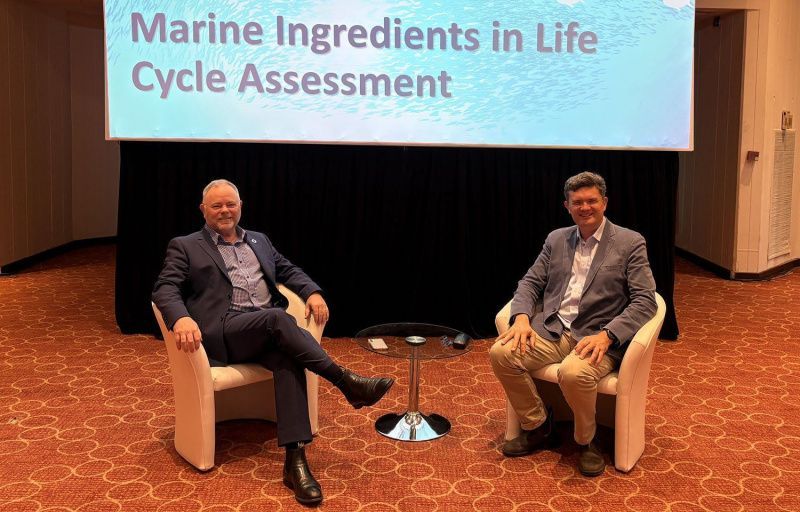
Dave Robb, Cargill Animal Nutrition and Health’s director of sustainability for aqua nutrition, and Brett Glencross, IFFO’s technical director, argued that environmental comparisons need to cover complete formulations and their production chains. Their discussion came as fluctuating fishmeal and fish-oil supplies and pressure to improve sustainability prompted manufacturers to investigate other ingredients. They warned that substitutions made without sufficiently comprehensive environmental information could have unintended effects. Greater use of plants can bring exposure to deforestation, changes in land use and additional water demand. A protein source that reduces reliance on marine resources may, for example, require more farmland or irrigation.
The life-cycle assessment framework discussed for marine ingredients divided production into five stages: catching fish, landing the catch, processing it, moving materials to rendering plants and rendering them. Researchers assembled 370 datasets encompassing species, categories of raw material, production years, processing yields, energy requirements and water use. Their analysis indicated that inputs obtained from processing by-products could carry substantially smaller environmental footprints than those made from whole fish, with the comparison depending on production arrangements and assessment boundaries. Robb and Glencross advocated using such assessments to locate emissions and resource consumption throughout production and delivery, rather than judging an ingredient by a single environmental measure.
The article identifies comparable considerations for dairy feed, where the environmental effects of soybean meal, maize, forage crops and other components vary with their origin, cultivation, processing and transport. It proposes assessing the whole ration, taking account of nutrient composition, sourcing, digestibility and its contribution to milk output. An assessment of maize silage, soy meal or cereal grains could include fertiliser inputs, irrigation, transport and processing, alongside the relationship between feed quality and animal productivity. The article presents these factors as a basis for farmers, nutritionists and feed suppliers to compare options consistently, rather than selecting ingredients on the strength of individual sustainability claims. Feed represents a significant element of both production expenditure and environmental performance in dairy farming and aquaculture.
Nutritional performance is another part of the comparison. Cows need rations supplying suitable amounts of energy, protein, fibre, minerals and other nutrients for lactation, reproduction and health. The article notes that a cheaper replacement ingredient may impair digestion or reduce milk yield, potentially raising the quantity of feed needed for each litre produced. A more expensive ration could instead increase output sufficiently to reduce costs per unit of milk. It therefore includes feed efficiency among the considerations for dairy sustainability programmes, alongside animal health and the commercial performance of farms. Ingredient comparisons would encompass nutrient availability and digestibility as well as the purchase price of feed.
The assessment areas set out in the article link the carbon footprint to emissions from producing and supplying feed, land use to agricultural acreage requirements, and water consumption to irrigation and processing. Nutritional performance concerns how effectively nutrients are available to the animal; milk productivity relates ration performance to output; and feed costs concern financial viability for farmers. For an assessment of milk’s overall environmental footprint, the article also calls for consideration of methane from digestion, manure handling and other factors at farm level. These measures extend the comparison beyond the environmental characteristics of an ingredient considered separately from its use in a ration.
The conference speakers acknowledged constraints on life-cycle assessment: datasets can be old, incomplete or too broad to capture differences among production systems. They nevertheless described it as a quantitative method for comparing environmental performance and monitoring changes. For dairy businesses, the article identifies potential applications in documenting feed origins, refining ration formulations and supporting sustainability disclosures. It also describes a role for dairy cooperatives and processors in checking environmental claims made within their supply networks. The proposed use of better data covers both the sourcing of individual ingredients and their performance within feeding systems, including effects on productivity, animal welfare and farm finances.