Higher milk prices fail to offset producers’ costs

The figures were discussed during the Agroleite fair in Castro, in Paraná. Armando Rabbers, president of the Brazilian Association of Holstein Cattle Breeders, said the increase in the milk price had not removed pressure on farms. He identified interest rates and fuel prices as direct charges on producers’ profits and said farms needed to lower costs while continuing to invest.
In Rio Grande do Sul, the projected price for July was R$2.50 a litre. Marcos Tang, president of the state’s Holstein Cattle Breeders’ Association, described the change as a modest improvement but said current prices still did not provide producers with long-term economic security.
João Galvão Prestes, who runs Fazenda São Thomé in Castro, produces 23,000 litres a day with 510 cows. He said sanitary controls and genetic investment were essential to keeping the farm competitive. Rising input prices, particularly feed for the herd, were reducing the final result, he said.
Labour availability was another constraint. Jussara Liebel, who operates Recanto dos Passarinhos in Piraí do Sul, Paraná, a farm known for Jersey genetics, said the difficulty of finding committed workers had prevented a significant expansion of her herds. “Finding workers who are truly committed is challenging. Because of this, we have not been able to expand our herds significantly,” she said.
Fernando de Azevedo Reis, a producer in Minas Gerais, said younger people were showing less interest in working in agriculture, adding to the shortage of qualified labour. He also cited declining milk consumption in Brazil as a concern. The combination of high costs, limited labour and weaker consumption has led some producers to consider diversification.
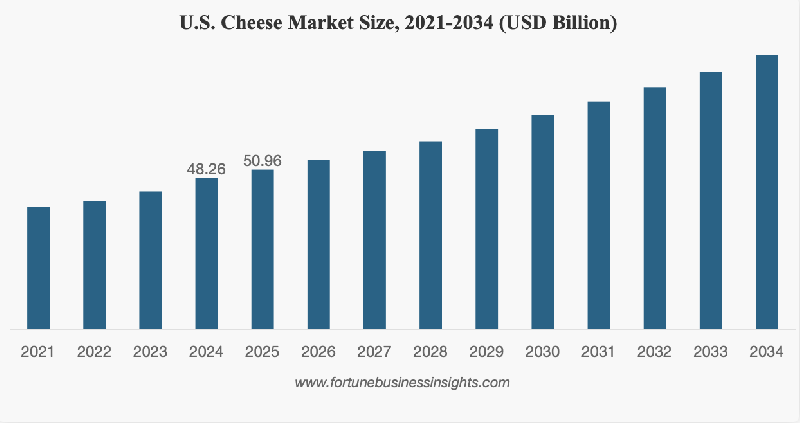
Ágide Eduardo Meneguette, president of Sistema Faep, said cheese production could provide an additional source of income, particularly for small producers. The Prêmio Queijos do Paraná is encouraging that route. Paraná produces 13.5m litres of milk a day, of which 6m litres are already used to make cheese. Meneguette said volatility in input prices required discussion of new pricing methods to protect producers.
Rabbers’s association is also developing a genomic database to identify animals better adapted to local conditions. The project is intended to support productivity and herd health as a longer-term response to cost pressures. The material was produced by eDairyNews using information published by Boca Noticias.