Heatwaves and drought are squeezing Swiss cheese makers
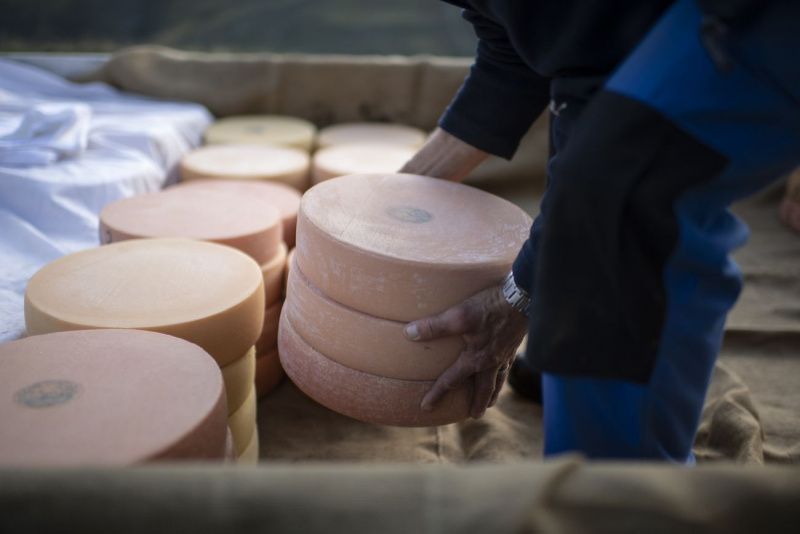
Swiss dairy farming is under pressure from several overlapping problems, according to Christa Brügger of the Swiss Milk Producers’ Federation. She described conditions as “very tense”, citing prolonged hot, dry weather alongside weak milk prices, increased costs and animal-health difficulties on some farms.
Heat stress has reduced cows’ feed intake and milk output. At the same time, grass growth has fallen sharply, leaving farms short of fresh fodder. Some producers have started using supplies stored for autumn and winter, while others are buying extra feed, increasing the cost of production.
The organisations representing Gruyère and Tête de Moine producers said the effects were visible across their sector. Olivier Isler, director of the Gruyère interprofessional organisation, said the combination of drought and high temperatures was having “a very significant impact” on animal health and the availability of fodder.
In the Jura, some farmers are already giving their cattle hay intended for the colder months, according to Martin Siegenthaler of the Tête de Moine Interprofessional Organisation. Producers supplying milk for Tête de Moine AOP face an additional constraint: the product rules do not allow silage, including wrapped bales, so the dry feed used must meet the specification. Siegenthaler said the conditions illustrated the challenge posed to mountain cheese production by increasingly unpredictable weather.
The Gruyère organisation has recorded lower output in recent months than during the equivalent period last year. Isler expects production of Gruyère d’alpage to decline by about 10%. The effect has so far been smaller among lowland dairies, because much of their milk is not normally used for Gruyère AOP. Strong production during the spring may also help those dairies fulfil their quotas.
Tête de Moine’s organisation has also registered weaker milk production, especially in July and August. Siegenthaler said there was pressure on supplies, but no consolidated estimate was yet available for a possible reduction in Tête de Moine AOP production in the coming months. He added that cheese inventories remained well stocked and that supplies for the end-of-year period, including Christmas, were not expected to be affected.
June milk deliveries were still “significantly higher” than a year earlier, Brügger said, before conditions worsened rapidly. The federation said some farmers were reducing herd sizes or bringing forward the culling of their least productive animals. Isler welcomed federal support measures but said they would not cover all drought-related losses. “Only a swift return of rain and normal temperatures will remedy this situation,” he said.