Heat Stress Can Cut Brazilian Dairy Cow Output by 20%
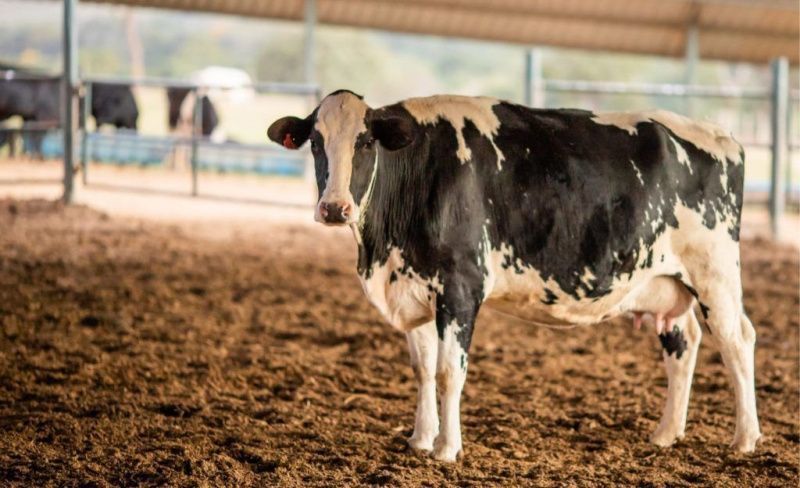
Brazilian dairy producers are facing rising temperatures across several regions, while successive heat waves are expected in the coming days. According to specialists cited by eDairyNews, thermal stress affects dairy cows when temperatures exceed the animals’ tolerance threshold and they can no longer dissipate body heat effectively.
Early indications include rapid breathing, altered behaviour and repeated attempts to find shade. Cows may remain standing for longer periods as they try to cool themselves. This response uses energy that would otherwise support feeding, reduces feed intake and lowers blood circulation to the udder. Hilton do Carmo Diniz Neto, a veterinarian at Cargill Animal Health and Nutrition, said the resulting decline in production can add to losses associated with inadequate housing and overcrowded groups.
Facilities should provide effective air movement and protection from direct solar radiation, Neto said. Fans and sprinkler systems require continuous preventive maintenance. On pasture-based farms, paddocks need appropriately sized natural or artificial shade during the strongest sunlight. When shade is insufficient, animals compete for space and experience faster physical exhaustion.
Drinking water also requires close management during hot weather. It should remain fresh and clean, be available throughout the day and be supplied in troughs large enough to limit competition among animals. If access is inadequate, cows drink less, and thermal stress within the herd becomes more severe.
Under extreme heat, cows voluntarily reduce their intake of dry matter—the portion of feed without water, where essential nutrients are concentrated. This can upset the diet and reduce productivity. Neto recommends offering feed during cooler periods, such as early morning or late afternoon, when animals are more likely to consume it. Feed left in the trough also ferments more quickly during prolonged heat exposure and loses nutritional value, so staff should remove leftovers frequently.
Projections from the United States National Oceanic and Atmospheric Administration put the probability of El Niño reaching one of its strongest intensities since 1950 at 75%. The source said this outlook reinforces the need for ventilated environments, ample water and balanced diets in dairy operations. The report was produced by eDairyNews using information published by Portal Band.