Halter Replaces Virtual Fencing Collars and Compensates Dairy Farmers
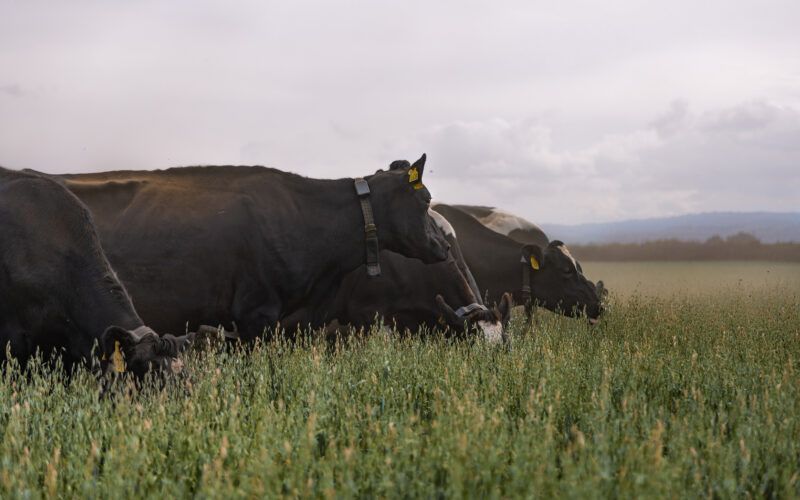
Halter has begun a nationwide campaign to exchange early versions of its virtual-fencing and cow-monitoring collars after reliability problems affected dairy properties in New Zealand. The faults mainly involved rapid battery depletion and hardware wearing out sooner than intended. Several farmers experienced operational interruptions lasting weeks.
During winter feeding and crop-grazing periods, some operators stopped using automated virtual boundaries and returned to manual break-fencing and conventional electric wires. In some herds, many collars lost power at the same time, leaving cows without active virtual-boundary signals. The incidents occurred when uninterrupted livestock containment was required for grazing management.
Josh Townsend, Halter New Zealand’s country director, said some early-model devices had not reached the service life expected when they were first introduced. Halter is supplying replacement hardware under its Software-as-a-Service subscription arrangement. It is also making commercial agreements and providing labour concessions to cover farmers’ time and additional work, including bringing herds into yards and changing collars. Mr Townsend said the measures were operational assistance for downtime rather than formal legal settlements.
Halter Vice-President of Product and Engineering Andy McLaren rejected claims that the failures were linked to a change in contract manufacturing in Thailand. He described the company’s South-East Asian manufacturing partner as a “world-class facility” and said the problems were associated with wear in earlier components.
The company has created a 10-person engineering group focused on reliability and failure analysis. Halter says more than one million collars are in use globally across dairy and pastoral beef operations in Australasia and North America. Engineers are using information from field failures to test newer devices, including trials in industrial thermal chambers that reproduce repeated exposure to very low and high temperatures. The procedures also assess high humidity, physical impacts and biological friction.
Halter’s collars use solar power and GPS to support virtual fencing, automated herd movement, and real-time identification of heat and lameness. The replacement programme concerns hardware used in an all-weather dairy environment, where battery continuity and physical durability are required for the devices to remain in service. The company provides the collars through a recurring subscription model.