Guanacaste Dairy Farmers Increase Milk Production by 20% with Sustainable Practices
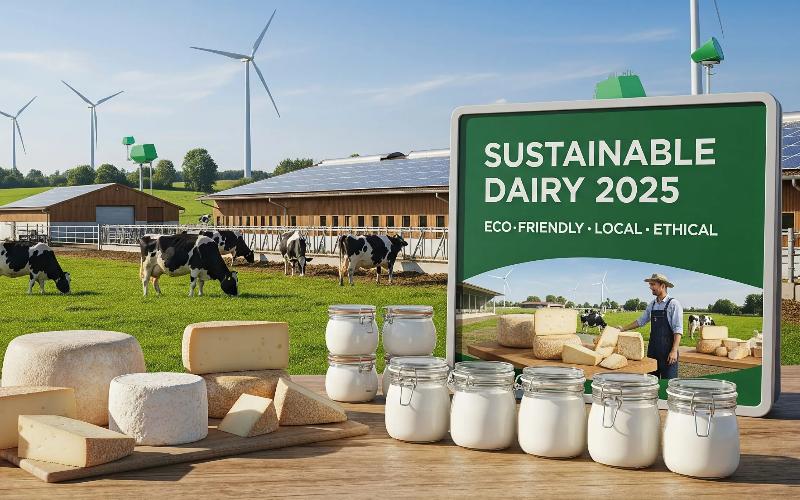
In Guanacaste, a region in Costa Rica, dairy farmers have reported a significant increase in milk production, reaching up to 20% during the typically challenging dry season. This improvement is a result of employing sustainable livestock farming techniques and enhanced production methods.
The initiative focuses on sustainable practices, which have been essential in overcoming the challenges posed by the dry climate. By implementing these practices, producers are able to maintain and even boost milk yield despite environmental constraints. This approach not only supports environmental sustainability but also enhances the economic viability of dairy farming in the region.
The success of these methods in Guanacaste serves as a potential model for other regions facing similar climatic challenges. By focusing on sustainability, the dairy sector in Costa Rica is positioning itself to meet both current and future demands effectively.
Impact of Sustainable Practices
Producers have adopted various sustainable practices, including improved feeding strategies and efficient water usage, which are crucial during periods of drought. These practices help in maintaining the health and productivity of the cattle, which is directly reflected in the increased milk output.
The increase in production highlights the potential benefits of sustainable agriculture, not only in terms of environmental conservation but also in improving economic outcomes for farmers.