Goldsmith: dairy farmers should arrange roasting before adopting high-oleic soya
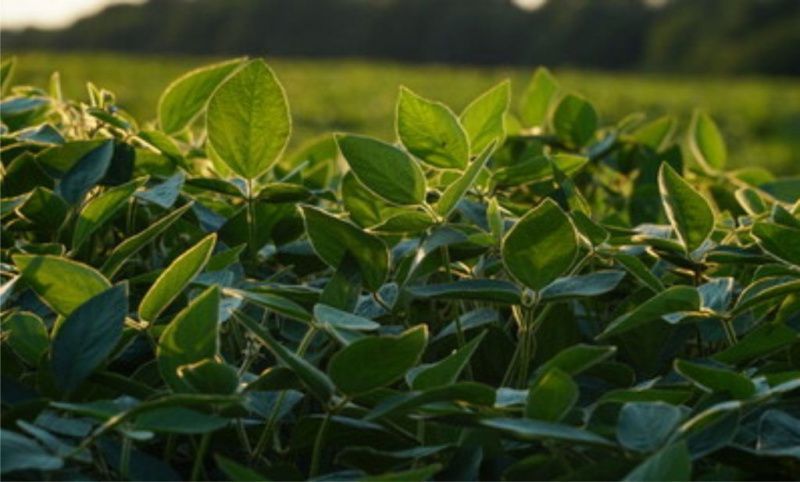
Interest in growing high-oleic soya and feeding it to dairy cattle is increasing, Goldsmith said. Its fatty-acid composition differs from that of conventional soya, which contains substantial amounts of linoleic acid. In her assessment, linoleic acid is poorly suited to dairy-cow rations, whereas the high-oleic variety offers dietary benefits. Introducing the beans therefore involves decisions about cultivation, handling and processing as well as the ration itself.
Keeping the crop separate is an early requirement. High-oleic beans must remain segregated from conventional soya throughout production and storage, with no mixing between the two. Goldsmith advised farmers to agree the procedures for maintaining that separation with their seed supplier. Those arrangements need to cover the crop from planting through to storage.
Both conventional and high-oleic beans require heat treatment before feeding. Roasting increases the proportion of protein that escapes degradation in the rumen, allowing more amino acids to reach the small intestine. It also inhibits unwanted antinutritional components, including trypsin inhibitor and urease. Goldsmith described the process as essential to product quality and advised discussing who will undertake it with suppliers before making a final decision.
She outlined three processing options. Farmers can use a local feed mill equipped with a roaster, provided it accepts high-oleic beans; hire a mobile roasting service to visit the farm; or purchase their own equipment. Goldsmith did not favour one approach for every farm: the appropriate choice depends on the operation and its particular circumstances.
Obtaining the beans is another consideration. High-oleic soya is available to buy, but its supply chain is at an earlier stage of development than that for conventional varieties. With interest increasing, it is harder to source. Goldsmith suggested that neighbouring farms could make arrangements under which one grows the crop and the other purchases it.
Where supplies are limited, or a farm can feed the beans to only part of its herd, Goldsmith recommended giving priority to the highest-yielding cows, which she said are likely to benefit most. She described high-oleic soya as suitable for lactating animals. Many farms feed it across their herds, enabling them to remove other ration ingredients and lower costs.
Goldsmith also expects some farms to try feeding the beans to heifers. Before adopting high-oleic soya, she advised bringing together everyone involved in the operation, including agronomy and nutrition specialists, to review each stage between growing the crop and delivering it to the feed trough.