Global Livestock Industry Faces Unprecedented Pressure
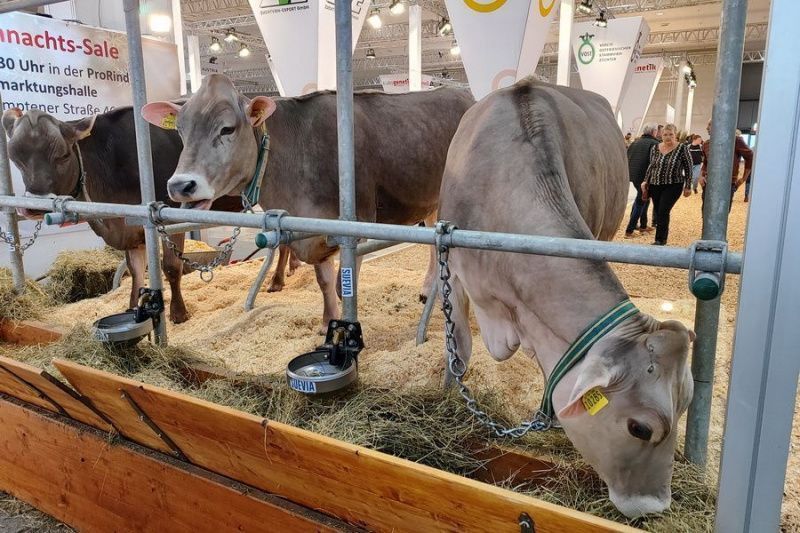
The DLG attributes current challenges in livestock farming also to increasing demands for animal welfare, reducing emissions, and efficient resource use. According to the organization's CEO, Lothar Hövelmann, farms need entrepreneurial competence to operate in increasingly complex markets.
At a press conference focused on preparing for EuroTier 2026, Hövelmann stated that the exhibition should provide professionals with practical ideas and strategies to prepare their businesses for future conditions. The event, to be held in Hanover, will be under the motto 'Smart Solutions in Animal Farming'.
The head of DLG also mentioned the consequences of geopolitical conflicts, including tensions around Iran and the ongoing war in Ukraine. Disruptions in trade routes and supply chains, he noted, increase volatility in agricultural product and energy markets. For livestock enterprises, this means growing costs for feed, energy, and other resources.
In the German and European dairy sector, there are simultaneous challenges of increasing production while reducing costs. The average price of raw milk in the European Union was 42.2 euros per 100 kg in January 2025, about 10 euros less than in January 2024. However, it remained above the crisis level of 2016, when the price fell below 30 euros per 100 kg. DLG reported that its network of leading dairy farms shows the ability to maintain entrepreneurial success under such conditions.
According to Hövelmann, the financial results of farms are linked to market prices, weather conditions, feed availability, energy supply, animal health, political situations, and technological developments. At EuroTier 2026, these interconnections will be showcased throughout the value chain. The program includes technologies, management concepts, and technical expertise for making practical decisions.
Among the areas gaining importance, DLG highlighted automation and artificial intelligence. Herd management systems can analyze animal health indicators, feeding behavior, and activity, helping to identify problems at early stages. In dairy farming, priority investments include building and reconstructing barns, improving climate systems, equipment for animal husbandry, and automated milking. Hövelmann emphasized that digital technologies must be practical, reliable, economically viable, and integrated into existing production processes.