Garden-spray recipe specifies 10% whey and 90% chlorine-free water
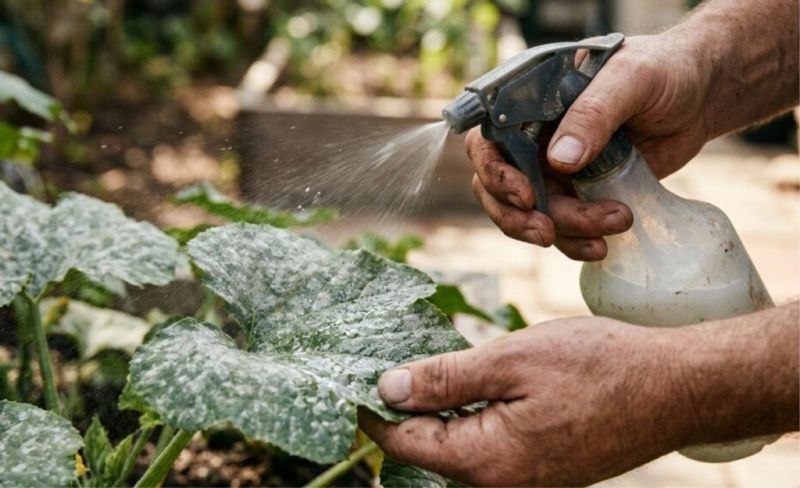
The article instructs gardeners to disperse the preparation as a fine mist with a hand-held sprayer, thoroughly covering both sides of affected plant growth. It recommends using the mixture immediately to preserve what it describes as volatile vitamin complexes. Careful dilution, the account says, helps prevent fermented-dairy odours and black mould from developing in shaded garden areas, while maintaining cellular oxygenation and avoiding obstruction of the plant’s small respiratory pores.
The account attributes the treatment’s antifungal action to three mechanisms. First, it says a change in acidity interrupts the enzymes through which fungi digest vulnerable green tissue. Second, it describes whey as drying out the fine infectious tips before they penetrate leaf walls. Third, it credits beneficial bacteria with competing for space and consuming pathogenic micro-organisms, thereby clearing the white coating from affected surfaces.
Sunlight is presented as another component of the treatment. According to the article, ultraviolet radiation interacts with riboflavin in the liquid on the leaves, generating oxygen free radicals that attack fungal growth. It recommends spraying during the first hours of sunlight so that the claimed oxidative action takes place before damp conditions return towards evening. The account links the timing of application to the plant’s recovery.
In its comparison of garden treatments, the article favours dairy protein over systemic pesticides and sodium bicarbonate. It describes natural methods as protecting bees and other harmless insects that support the soil’s food web. By contrast, it characterises systemic fungicides as toxic, saying they sterilise organic soil and carry harmful substances into fine roots. Its accompanying comparison table assigns systemic pesticides a harmful residual-safety rating and describes their effect as eliminating beneficial microfauna in pots.
Sodium bicarbonate receives a cautionary rating in the same table. The article says it can leave sodium in the root ball and dry leaf tips. It describes the dairy-protein preparation as biodegradable and gives it a therapeutic rating, attributing to it both fertilisation of plant surfaces and restoration of plant immunity. These comparisons form part of the article’s explanation for choosing the whey preparation.
Following application, the article says the powdery patches dry and fall separately to the soil within days. It presents the return of healthy side shoots as a sign that the treatment has destroyed spores without impairing the regenerative capacity of vascular tissues. It also credits the approach with restoring the appearance of ornamental plants and avoiding harm to the gardener’s respiratory tract.









