Flaxseed Feeding Raises Omega-3 Levels in Dairy Milk
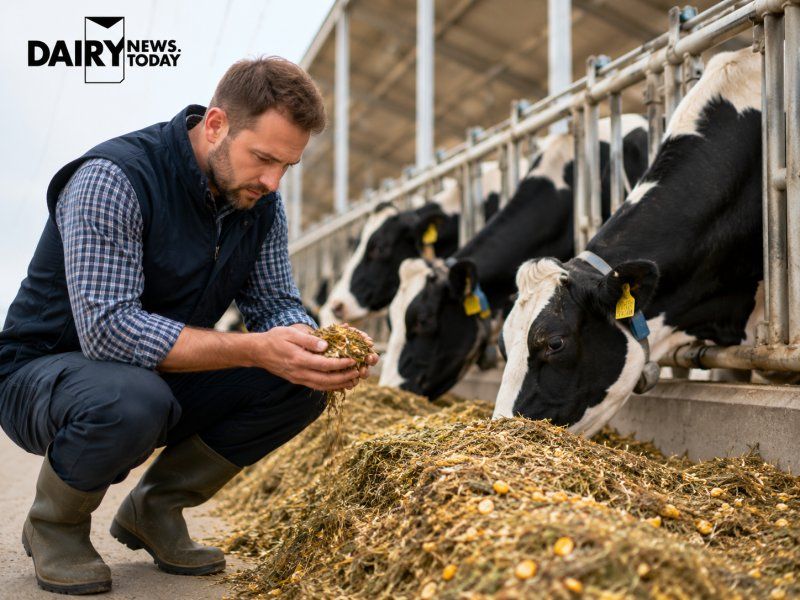
Recent research and livestock applications described in the report examine the use of flaxseed, also known as linseed, in rations for dairy cattle. The supplementation changes the fatty-acid composition of milk and is being used in the development of dairy products marketed for specific nutritional characteristics.
Flaxseed is rich in alpha-linolenic acid, an essential omega-3 fatty acid. According to the report, processed forms, including extruded seeds and treatments intended to limit ruminal biohydrogenation, allow a substantial share of these unsaturated lipids to pass through the animal’s digestive system. The fatty acids can then become part of the milk fat produced in the udder.
The reported nutritional changes include higher concentrations of conjugated linoleic acid and a lower proportion of saturated fatty acids. The resulting milk has a more balanced omega-6-to-omega-3 ratio. The source presents these characteristics as relevant to the formulation of functional dairy foods associated with cardiovascular and metabolic nutrition.
Milk from herds receiving flaxseed supplementation can be processed into cheese, butter, yoghurt and cream. The report cites sensory and shelf-life evaluations indicating that, when the ingredient is supplied at specified livestock-nutrition doses, the modified fat does not adversely affect the flavour, texture or oxidative stability of finished dairy products.
Processors can use the modified milk fat in premium product lines with differentiated nutritional labelling. The source refers to claims concerning anti-inflammatory properties and a contribution to lowering LDL cholesterol, but it does not provide specific measurements for those effects or identify particular commercial products.
For dairy farms, flaxseed or protected flaxseed meal raises the daily feed cost per animal. The report says that this additional expense may be addressed through exclusive supply agreements and bonuses linked to the quality of functional milk solids paid by specialised dairy companies. It describes precision feeding as an approach being incorporated into efforts to give milk and its derivatives higher added value.