Fifty-six Nepalese women dairy farmers complete field school
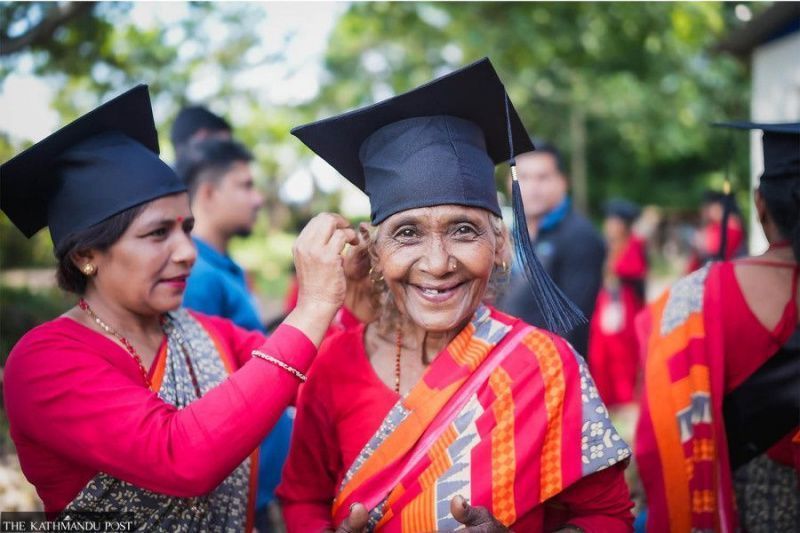
Kamala Subedi, aged 70, completed a structured agricultural course despite never attending school. She was among 56 women who graduated on Friday from the Heifer-KOICA Farmers Field School in Kamalamai Municipality, Sindhuli. Organisers described the ceremony as Nepal’s first for dairy farmers completing such a programme.
Subedi attended 48 classes over four years and received a Holstein calf after seeing the income earned by her youngest son, who keeps two high-breed cows. He earns about Rs120,000 a month, she said. A cow she previously owned produced four litres of milk a day, while the new breed produces between 25 and 30 litres, giving her the aim of building a larger income from next year.
The programme covered animal husbandry, veterinary care, reproduction, nutrition and the management of a dairy enterprise. Veterinary technicians, municipal veterinarians and South Korean specialists taught the monthly classes. To qualify, participants had to attend at least 80% of the 48 sessions. The other farmers enrolled in the programme are due to graduate in December.
Participants also learned to open bank accounts, save money, keep livestock records and speak at public meetings. Shanta Thapa, another graduate, said her knowledge of animal health and modern dairy practices had been limited before the course. She said the training had changed how she managed her animals and helped farmers “speak in public and raise our voices”. Her husband, Ishwar Subedi, said the classes included feeding, basic treatment and group discussion, rather than only grass cutting and manure collection.
The ceremony took place beneath a peepal tree and marked a stage in the Korea-Nepal Model Dairy Village initiative. During the past four years, 105 farmers from ward 5, organised in eight self-help groups, have taken part. The project combines improved cattle with technical instruction and farm-management training. Heifer Nepal technicians visited cowsheds to teach farmers about nutrition, treatment and preventive care. Participants have also begun using mobile applications to record fodder and water needs, milking and milk sales.
The cattle-breeding element began in December 2022, when South Korean dairy farmers and donors working through Heifer Korea provided Nepal with 100 purebred Holstein heifers, six breeding bulls and frozen semen. Two further breeding bulls, each valued at $250,000, arrived in March 2023. Eighty of the donated cattle went to 51 families in Kamalamai. Under the programme’s “passing on the gift” system, participating families give their firstborn calves to other community members.
According to the project, Sindhuli now has 169 purebred Holsteins, including 35 bulls. Heifer International Nepal says a cross-bred cow produces about 3,200 litres during a ten-month lactation period, compared with roughly 10,000 litres for a Holstein. Some Holsteins produce as much as 49 litres a day. The organisation’s country director, Tirtha Raj Regmi, said a cow producing an average of 35 litres daily could generate sales of about Rs2,275 at a farm-gate price of Rs65 a litre, or nearly Rs700,000 over ten months.
The initiative also includes collection and processing infrastructure. Kamalamai’s milk collection and chilling centre serves more than 300 cooperative members in eight groups. The project plans to raise daily milk production in the area to 10,000 litres within two years, from about 5,000 litres. Several cooperatives currently supply around 2,300 litres a day to Sujal Dairy, a private milk processor based in Pokhara. Farmers receive an average of Rs65 a litre, while the retail price is about Rs100.
Dairy farming contributes roughly 9% of Nepal’s GDP. More than 500,000 farming families are associated with the sector, which directly employs over 30,000 people. Heifer Nepal says breed improvement must be accompanied by feeding, disease prevention, veterinary care, collection systems, processing capacity and markets. Subedi said the training had given her the confidence to care for her cows and seek a higher income.