Kazakh farmers demand oil mill subsidies be conditional on using 100% domestic raw materials
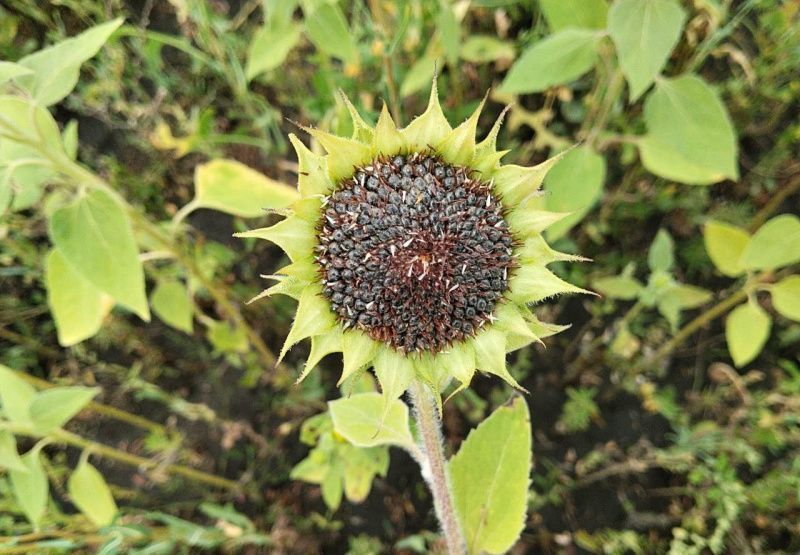
Sunflower seed exports are currently subject to a duty of 20% of the customs value, with a minimum payment of €100 per tonne. The association argues that this levy restricts farmers’ access to foreign buyers. It proposes suspending its collection for Kazakh agricultural producers for as long as processing plants have sufficient supplies of raw materials.
According to the authors of the appeal, sunflower cultivation remains highly profitable for agricultural producers, and Kazakhstan has sufficient volumes to supply local oil mills. However, association representatives say farmers have to sell their harvest on pricing terms set by processors.
The appeal also addresses competition from Russia. Citing publicly available sources, the association expects Russia’s record sunflower harvest to lead to increased supplies of Russian oil and put further pressure on the Kazakh market and those of Central Asian countries. Against this backdrop, the organization advocates pricing based on supply and demand.
The association welcomed the government’s temporary restrictions on raw material imports, describing them as timely and necessary. At the same time, it considers processing companies to be in a more advantageous position: they have access to preferential loans, transport subsidies, reduced rail tariffs and direct budget support for processing and feed production.
The farmers are demanding that the proposed requirement for all raw materials used to be of Kazakh origin apply to the full range of subsidies, benefits and transport concessions available to oil mills. The association links this initiative to supporting local farms and restoring fair competition. It expects the suspension of the export duty to increase competition among buyers and allow prices to be determined by supply and demand.
In the document sent to the ministry, the organization requested support for its proposals and asked that they be submitted for consideration at the national level. The association believes that implementing these measures would protect the interests of Kazakh agricultural producers and ensure stable operating conditions for the country’s agro-industrial sector.