FarmFlow Explores How AI Could Help Irish Dairy Farmers
Irish dairy producers generally sell a largely standardised commodity, limiting the influence any single farm can exert over the price of milk. At the same time, expenses for feed, fertiliser, energy, labour, machinery and other operations can affect farm margins. FarmFlow describes the resulting pressure as a “perfect competition” trap.
The project is investigating whether artificial intelligence can offer a practical response without altering the structure of the market. Its proposed use is to help individual farms assess their operations, recognise recurring patterns and make decisions based on more accessible information. The project treats AI as a tool for farm management rather than as a replacement for farmers.
Using data on the farm
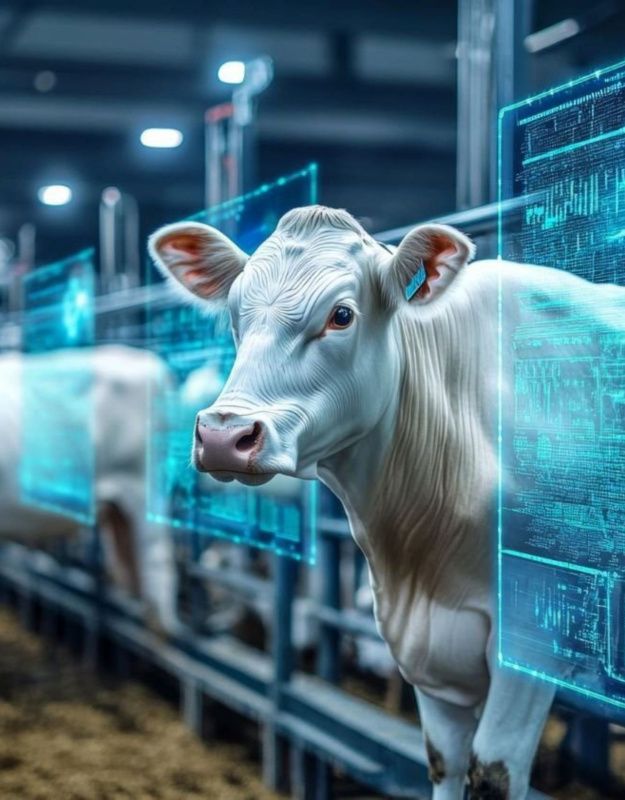
Farms can produce information through sensors, management software, machinery and systems that monitor livestock. FarmFlow’s approach focuses on how such material might be converted into usable guidance instead of leaving farmers to examine large datasets on their own.
Potential applications include reviewing production results, tracking expenditure, locating inefficiencies and deciding how resources should be deployed. An AI-based system could also help a farmer examine the reasons for rising costs, flag unusual changes in herd performance and compare operating patterns across different periods.
FarmFlow says the usefulness of this process depends on the quality and relevance of the underlying information. The project is therefore exploring whether a digital system can give farmers clearer visibility of the factors affecting their businesses and faster access to analysis that supports everyday choices. The areas under consideration include cost and efficiency reviews, interpretation of large data volumes, identification of production patterns and improved operational decision-making.
Documenting the startup
The work is being presented through Síol, a new weekly newsletter about FarmFlow and the process of creating an agricultural technology company. The publication covers technical problems, experimentation, product choices and troubleshooting, including work carried out late at night. It is intended to record the development process rather than present FarmFlow as a completed success.
The newsletter also forms part of an A-Level Media Studies and ICT coursework assignment. Its creator is using the assignment to develop a real publication around an active technology project instead of producing a fictional media product solely for assessment.
The first issue includes an article titled “Outsmarting the Grid: Can AI Break the ‘Perfect Competition’ Trap for Irish Dairy?”. It examines whether AI could help farmers operate more strategically in a market where individual producers have traditionally had limited pricing power. Síol plans to document FarmFlow’s development as the project progresses.