FAO highlights sustainable grazing’s role in food security
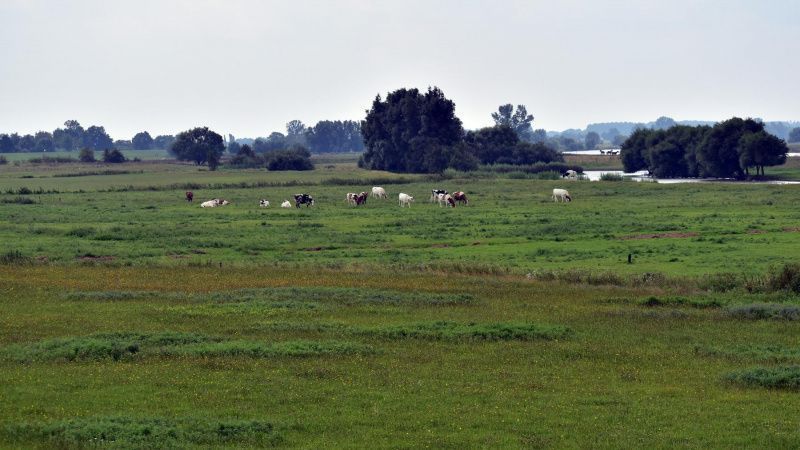
The Food and Agriculture Organization (FAO) has issued a technical assessment on the strategic importance of grasslands and grazing. Rangelands cover more than half of the world’s land surface and contain important biodiversity reserves, according to the assessment.
The organisation links the condition of these ecosystems to the supply of protein from livestock. It reports that unmanaged intensification, excessive grazing, conversion to monocultures, desertification and extended droughts are contributing to the deterioration of natural grasslands.
Loss of plant cover and soil erosion reduce the amount of natural feed available to livestock. They also release organic carbon held in soils and weaken the capacity of agricultural ecosystems to retain and absorb water, the FAO says.
The assessment identifies carefully managed grazing as a method for restoring soils and supporting fertility. Planned rotational grazing, holistic management and adequate recovery periods can encourage root regeneration, the renewal of native forage species, and improved water infiltration and retention.
These practices can support the nutrition of dairy and beef cattle while reducing reliance on concentrated feed grains and other external inputs. The FAO presents grazing management as relevant to both livestock production and the restoration of degraded pasture systems.
Hundreds of millions of pastoralists and livestock producers depend directly on grassland ecosystems for their livelihoods and for supplying milk and meat to local and regional markets. The organisation says productive pastures are particularly important in arid and semi-arid areas where crop farming is not viable.
The FAO is calling on governments and international financial institutions to include sustainable grassland management in climate strategies and green-finance programmes. Its recommendations include investment in field-based technical assistance, stronger security of land tenure and financial incentives for livestock producers who maintain their pastures through environmental services.