European Livestock Strategy Emphasizes Sustainability and Competitiveness
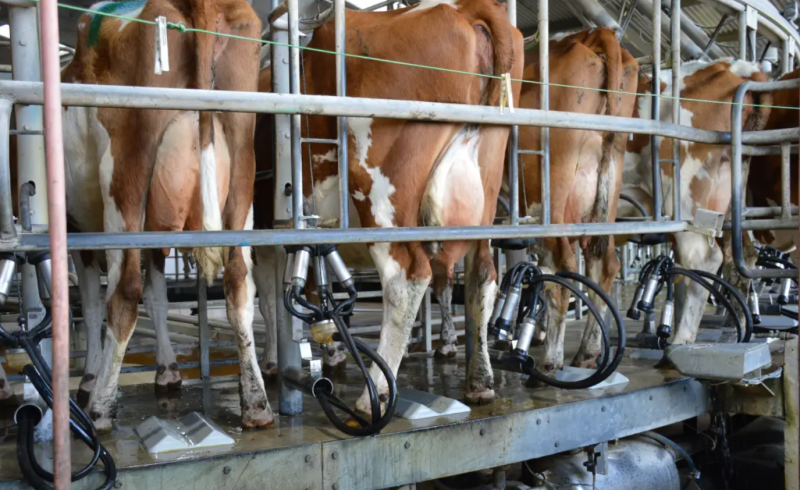
The European Union has unveiled a comprehensive livestock strategy that aims to reshape the approach to animal agriculture by integrating food production, economic resilience, and sustainability within a single framework. This strategy marks a shift in perspective, moving away from viewing livestock sectors primarily through environmental lenses and instead highlighting their role as strategic sectors requiring sustained support to remain competitive and resilient.
This approach is significant, considering that the European region is known for its stringent standards on environmental protection, animal welfare, and product traceability. The EU's strategy outlines five priorities: resilience, competitiveness, sustainability, viability across all regions and production systems, and excellence in livestock production. Collectively, these objectives underscore the necessity of successful livestock businesses in achieving broader environmental and social goals.
A key component of the European strategy is the link between profitability and sustainability. The document recognizes that livestock producers must maintain economic viability to invest in new technologies, environmental improvements, and animal welfare initiatives. The strategy thus presents financial strength as essential for achieving long-term sustainability.
For Australia's dairy industry, this perspective is particularly relevant. Dairy farmers face challenges such as rising input costs, labor shortages, and increasing regulatory demands, alongside the need to invest in carbon reduction, water efficiency, and animal welfare. The European strategy emphasizes that policy environments play a crucial role in supporting these efforts, linking sustainability directly with competitiveness and advocating for the protection of food production capacity.
The strategy also addresses broader concerns about food security, highlighting vulnerabilities in international supply chains exposed by recent global disruptions, including pandemics and geopolitical tensions. In this context, the importance of maintaining domestic agricultural production for national resilience is emphasized.
For Australia, sustaining its strong international reputation in dairy requires continual investment and policies that recognize agriculture's role in sustainable development. The European framework suggests that environmental objectives should not weaken food production but should instead be supported through coordinated efforts.
Moreover, the strategy highlights the growing consumer demand for responsibly, sustainably, and ethically produced food, which presents both challenges and opportunities for livestock industries in global markets. Australia's dairy sector already excels in areas like animal welfare and environmental management, but ongoing investment in research, infrastructure, technology, and policy certainty is essential to maintain these standards.
Ultimately, the European strategy positions livestock industries as contributors not only to food production but also to regional economies, employment, and national resilience. By aligning producer profitability with sustainability, the strategy offers a vision that may influence future discussions on the direction of Australia's dairy sector.