Eurasian Economic Union Member States Agree on Agricultural Supply and Demand Balances
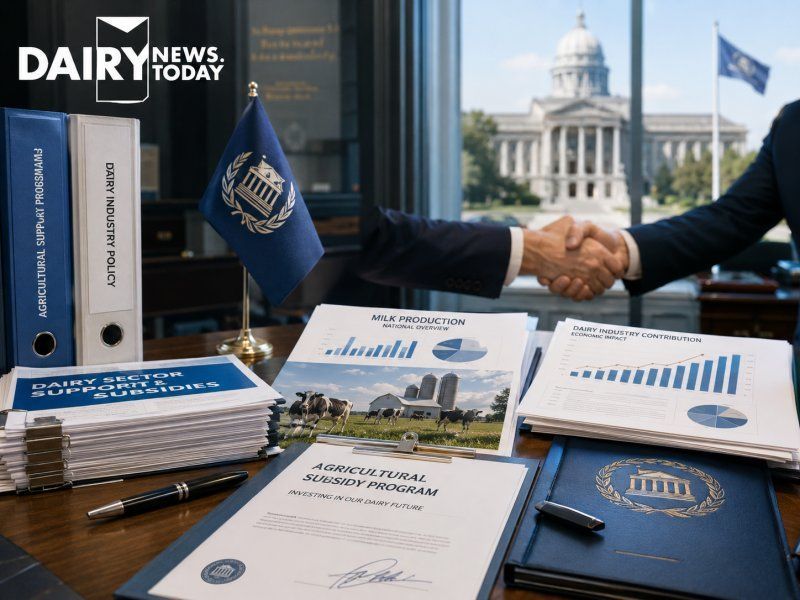
At an extended meeting of the Eurasian Intergovernmental Council, the countries of the Eurasian Economic Union approved joint forecasts for the situation in the agro-industrial complex, as well as supply and demand balances for several categories of agricultural products. These documents cover the current and next years.
Prime Minister of Russia, Mikhail Mishustin, reported that the agreed indicators are expected to boost mutual trade among the union's member states and foster the creation of new enterprises in the agro-industrial sector. "The joint forecasts for the industry situation approved today, and the supply and demand balances for the 'top five' states regarding several agricultural products for the current and next years, will expand mutual trade and stimulate the creation of new enterprises," he said.
According to Mishustin, the share of internal coverage for the Eurasian Economic Union's needs in essential food products exceeds 93%. The Prime Minister specifically listed the products for which the union fully meets internal demand: grain, pork, poultry meat, milk, sugar, and vegetable oils.
The meeting agenda also included discussions on transport connectivity among Eurasian Economic Union member states. Mishustin stressed the need to speed up the transition to electronic document management at maritime checkpoints. This direction was discussed as part of measures to improve transport links between the union's countries.
The heads of the Eurasian Economic Union states made a joint decision to update the list of priority integration projects in the transport sector. The updated list includes a route that provides for the development of a railway section from Nevel' to Gatchina, with further access to seaports in northwestern Russia.
Thus, the meeting addressed two blocks of issues: agreeing on indicators for agro-industrial products and updating transport projects. The first part focused on planning supply and demand for several agricultural products, while the second involved digital document management at maritime checkpoints and a railway route to ports.