El Niño Triggers Shift in Livestock Feeding Strategies
The emergence of El Niño is causing livestock farmers to reevaluate their feeding strategies due to the likelihood of above-average temperatures and irregular rainfall patterns. According to the National Oceanic and Atmospheric Administration (NOAA), there is more than a 60% chance of a strong El Niño occurring between November of this year and January 2027. In the Brazilian state of Espírito Santo, forecasts indicate increased irregularity in rainfall, especially in the northern and northwestern regions, which are historically more affected by drought.
The anticipated effects include a reduction in both the production and quality of pastures. Xisto Antônio Alves França, a zootechnician from the Incaper in Pedro Canário, notes that the combination of reduced soil water availability and higher temperatures limits forage growth, diminishing the food supply for livestock. This situation may compel many producers to increase their use of supplements such as sugarcane, silage, and concentrated feeds, thereby escalating production costs and affecting the profitability of pasture-dependent farms.
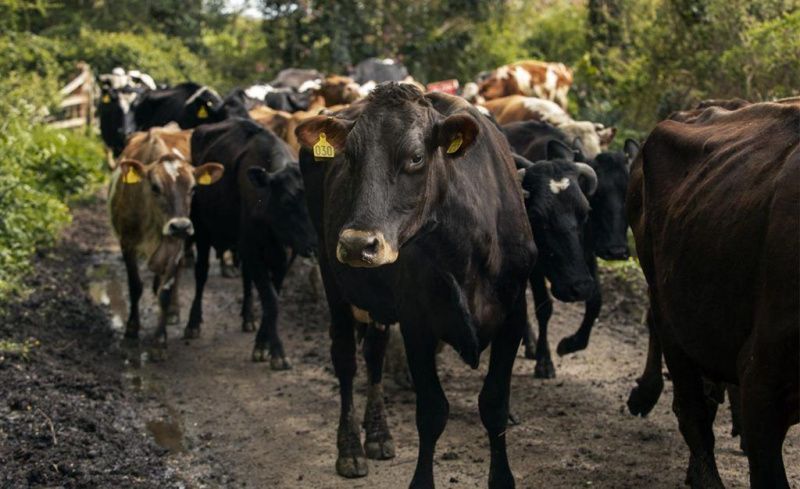
The impact of these changes is also evident in animal performance. Reduced forage availability, coupled with thermal stress, leads to decreased food intake, which in dairy cows can result in lower milk production and loss of body condition. For beef cattle, this scenario often results in slower weight gain, extending the time required to reach slaughter weight.
Reproductive challenges also arise, as high temperatures can suppress estrus, lower conception rates, and increase embryonic losses, negatively affecting the reproductive efficiency of both dairy and beef herds. Additionally, animals expend more energy maintaining body temperature, leaving less available for production, growth, and reproduction.
To mitigate these issues, proactive planning is recommended. Farmers are advised to assess their forage reserves, plan for feed production or acquisition during dry periods, adopt soil and water conservation practices, manage pastures effectively, and provide shade and quality water for animals. Continuous monitoring of climatic conditions and water availability is also emphasized.
Practical preparation measures are already being implemented by farmers like Valeska Sperandio from Sítio Córrego Olho D’Água in Baunilha, Colatina. She maintains around 30 lactating cows, producing approximately 500 liters of milk daily, and annually purchases silage to counter reduced pasture availability. This year, she considers acquiring additional volumes should the drought persist.
The government has also stepped in to support farmers. Since 2023, the State Secretariat of Agriculture, Supply, Aquaculture, and Fisheries (Seag) has intensified efforts to guide farmers in building food reserves for drought periods, a campaign reinforced following El Niño forecasts. As part of this initiative, 140 forage baggers have been procured and distributed across 50 municipalities, benefiting about 5,000 livestock farmers through associations, cooperatives, and local governments. Furthermore, Incaper has expanded its guidance to encourage the cultivation of crops such as corn, sorghum, sugarcane, and elephant grass for silage, suitable even for small producers without tractors. Training on quality silage production, including proper harvest timing, ensiling process, and storage, is also provided to minimize nutritional losses and waste.