El Niño's Impact on Australian Dairy Industry Amidst Severe Drought
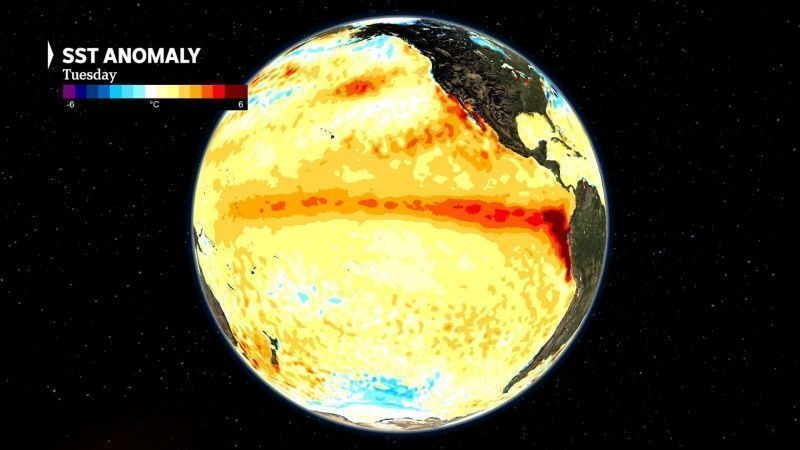
The Bureau of Meteorology in Australia has issued a formal declaration of an El Niño event, indicating severe drought conditions ahead. This development marks a shift from an active alert phase to an established climate pattern, suggesting that key atmospheric and sea-surface temperatures have surpassed critical historical thresholds.
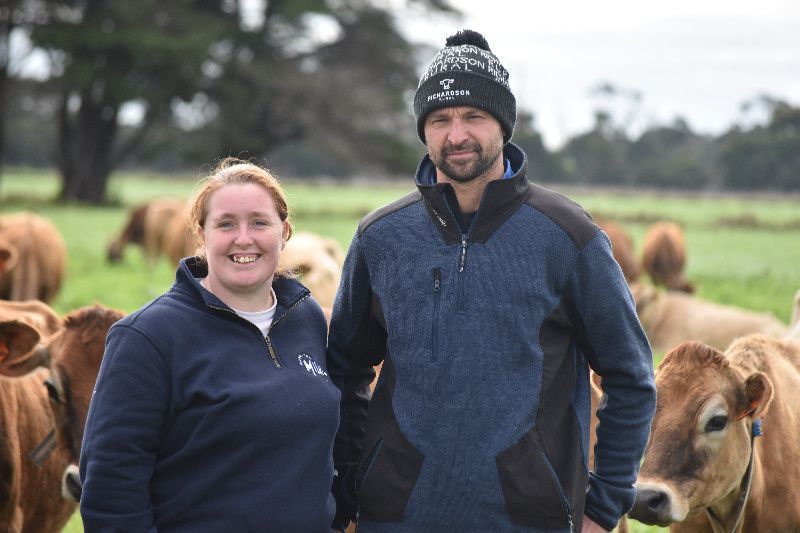
The eastern milkshed, a primary operational region for dairy production in Australia, is particularly vulnerable. Independent dairy producers and agribusiness managers in New South Wales are facing increased production risks as the El Niño cycle is expected to lead to a rapid depletion of topsoil moisture reserves. This scenario could stunt seasonal pasture growth and compromise forage yields, critical for feeding milking lines.
As a result, farm managers may need to implement nutritional backup plans quickly to prevent a decrease in daily milk solids output. The expected below-median rainfall from July to September will likely exacerbate these challenges, as the El Niño pattern continues to develop in the Pacific Ocean.
Economically, the prolonged dry conditions are expected to increase the farmgate cost structure, squeezing profit margins for both family and corporate agribusinesses. Dairy producers might have to turn to expensive external grain supplements and fodder to maintain cow health and milk production, coinciding with rising energy tariffs and water distribution costs.
The international dairy sector is monitoring this situation closely, as any significant drop in Australian production could affect ocean shipping volumes and export pricing. Regional processing complexes, which rely on stable milk procurement for products like skim milk powders and cheese, face potential supply disruptions.
State agricultural departments and cooperative advisory boards are advising smallholders to audit irrigation systems, secure long-term feed contracts, and optimize feed conversion rates to mitigate the impact of the dry spell. The resilience of the regional dairy complex will depend on businesses adopting data-driven water conservation and herd management strategies.