El Niño risks are threatening dairy margins in New Zealand
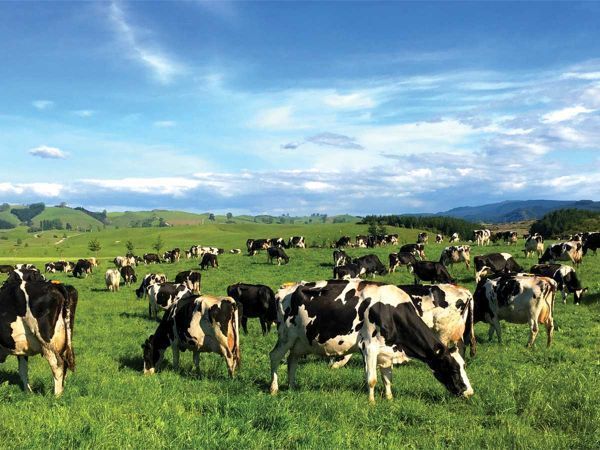
Meteorological models are pointing towards an intensified El Niño weather pattern, with risks differing between New Zealand’s regional dairy clusters. Eastern catchments face greater exposure to extended drought and gale-force winds. These conditions can reduce available dry matter reserves and contribute to heat stress among milking herds.
Western basins, by contrast, face higher probabilities of severe storms and localised flooding. Such events can interrupt infrastructure and cause power outages. Interruptions to electricity supplies can stop automated milking equipment and milk-chilling systems from operating.
Strategic nitrogen use has been identified as a priority for commercial dairy operators, alongside more advanced autumn feed budgeting. Producers need to establish that soil temperatures have reached the minimum biological thresholds required for forage response before applying synthetic fertilisers. This is intended to reduce the risk of nutrient leaching and associated financial losses.
Feed planning is also being emphasised ahead of potentially dry summer periods. Operators are expected to arrange supplementary silage, grain contracts and standing crops in advance. These supplies are used to support milksolids production after the seasonal peak and to avoid forcing the removal of cattle when feed is insufficient.
Farmgate milk prices have begun at levels described as structurally viable. However, cost inflation is reducing net operating margins across Oceania’s dairy sector. Imported feed, energy, animal-health inputs and the cost of servicing capital have all become more expensive, raising the underlying cost base for dairy businesses.
Higher gross revenue for each kilogram of milksolids therefore does not by itself ensure that an enterprise is profitable. Farm cash flows remain exposed to lower-than-expected production and to additional feed costs that were not included in budgets. The combination of weather risks and elevated operating expenses has increased the importance of feed reserves, input timing and contingency planning for dairy operators.