Drought squeezes milk production and raises feed costs in Mexico
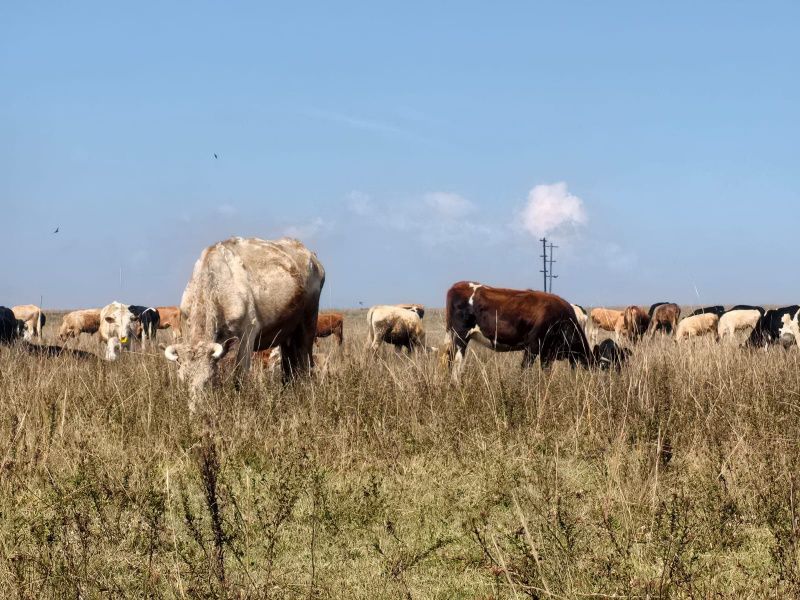
Jilotepec, Polotitlán, Texcoco, Aculco, Almoloya de Juárez and Zumpango are among the dairy-producing municipalities affected by persistent rainfall shortages. José Luis Martínez Benítez, an agricultural and livestock specialist at the Universidad Autónoma del Estado de México (UAEMéx), said water scarcity compromises essential physiological functions in cattle. High-yielding cows producing between 25 and 30 litres a day need a continuous supply of clean water to sustain milk production.
The pressure on farms coincides with diverging retail and producer prices. Agriculture ministry figures cited in the report show that consumer prices for fresh and pasteurised milk increased by 8.4% between May 2025 and May 2026. Payments to farmers for raw milk fell in several months during that period. In Aculco and Polotitlán, depleted pasture has forced livestock owners to purchase more feed from outside their holdings at higher prices. Cattle feed, including maize silage, alfalfa hay and commercial protein concentrates, accounts for more than 70% of operating costs per litre on Mexico’s commercial and family-run cattle farms. The report warns that buying bales and concentrates outside the region while farm-gate prices decline can erode farmers’ capital and force sales of productive breeding cows.
Water shortages and drought-related heat stress also increase herd-health risks and make milking hygiene more important. The report links metabolic stress caused by insufficient water and fresh forage to a higher incidence of intramammary infections. It identifies routine forestripping and antiseptic teat preparation before milking as measures to prevent environmental mastitis and protect milk quality, including somatic-cell counts and total solids.
After milking, raw milk needs rapid cooling to 4°C in refrigerated tanks to control acidity and bacterial growth before collection. At processing plants, the report describes continuous pasteurisation above 72°C or ultra-high-temperature treatment at 138°C for four seconds, followed by aseptic filling into multilayer packaging. It states that these processes preserve casein micelles and milk-fat globules.
In the retail market, the report says reduced primary supply in central Mexico creates opportunities for manufacturers of dairy substitutes. Grocery shops, small general stores and supermarkets in the State of Mexico and the Mexico City metropolitan area sell pasteurised cow’s milk alongside blended dairy preparations and analogue products. Ingredients used in the latter include imported dried whey, modified starches and hydrogenated palm-based vegetable fats.
The report describes these substitutes as lower-priced products marketed to resemble genuine dairy goods. It says they lack the biological value and minimum protein contribution required by the Mexican standard NOM-155-SCFI-2012. Imported whey is among the ingredients identified in its account of the retail products competing with locally produced milk.
To address the drought’s effects, the report calls for water infrastructure investment and commercial support for small and medium-sized livestock producers. It identifies the Secretaría de Agricultura y Desarrollo Rural (SADER), the Comisión Nacional del Agua (Conagua) and the state’s Secretaría del Campo as agencies that should finance repairs to water-retention embankments and livestock watering points, subsidise conserved forage purchases and ensure remunerative farm-gate prices at public and private collection centres. Its proposed measures also include stricter milking hygiene and certified pasteurisation.