Drought in Oaxaca Raises Meat, Cheese and Milk Prices
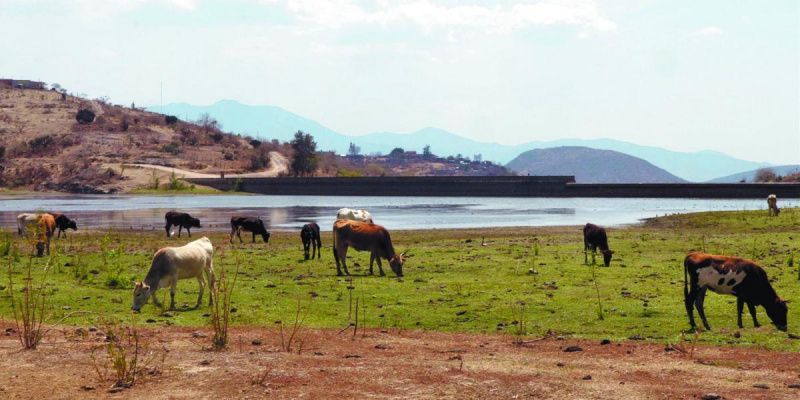
A prolonged dry season and elevated temperatures have affected several parts of Oaxaca, according to a report by Milenio. Irregular rainfall has dried natural water sources and depleted grazing land, while livestock producers have incurred higher operating costs to maintain their herds.
Water shortages have reduced the amount of milk obtained from each cow and caused live cattle to lose weight. With green pasture unavailable, farmers have been buying dry feed, bales and water delivered by tanker at higher prices. The additional expenditure has raised production costs per litre of milk and per kilogram of beef, and some producers have sold animals earlier than planned to limit further financial losses.
Higher costs at the farm level have reached processors and retailers. Traditional dairies report less fluid milk available for production and higher prices at the farm gate. Producers of local products including quesillo, also known as string cheese, and queso fresco have seen their profit margins narrow and have adjusted prices at their counters.
Public markets in Oaxaca’s capital and nearby municipalities have recorded higher prices for beef cuts used for steak, raw milk and dairy products. Merchants and stallholders say sales have slowed as consumers ration purchases or replace some sources of protein. The reported changes have been particularly significant for lower-income households facing reduced purchasing power.
Livestock organisations and traders in Oaxaca have asked federal and state authorities to introduce emergency measures. Their requests include subsidised feed distribution, water supplied by cisterns and financing for water-capture infrastructure.
The organisations have described timely assistance for climate-related damage in rural areas as necessary to support livestock activity and food supplies in the region. The report did not provide specific price increases or production totals.