Danone cuts its Mexican carbon footprint by 30% since 2020
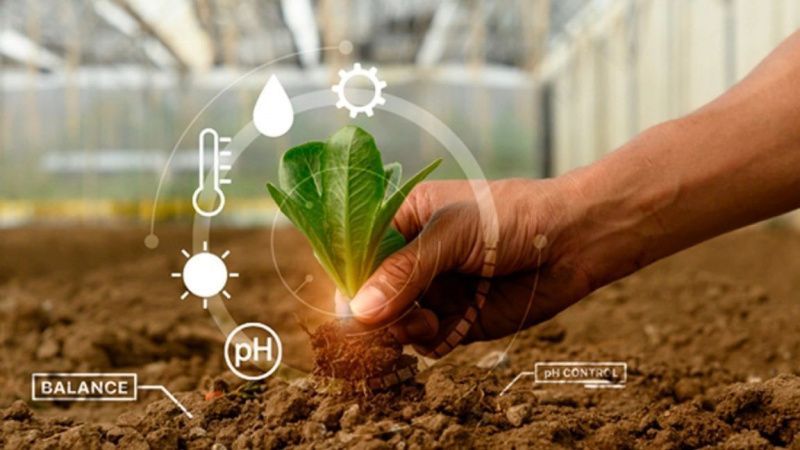
Sofía Díaz Rivera, Danone’s sustainability director in Mexico, described work with agricultural suppliers as part of the company’s decarbonisation programme, alongside energy efficiency at its factories. Milk, one of its main ingredients, is a focus of programmes providing production advice and technical assistance to dairy farms. These incorporate regenerative farming methods, water management and circular-economy practices into milk procurement in key producing regions. Danone is scheduled to present its experience at the Foro de Liderazgo Ecosistémico + UMAFEST 2026, addressing agricultural production and environmental impact.
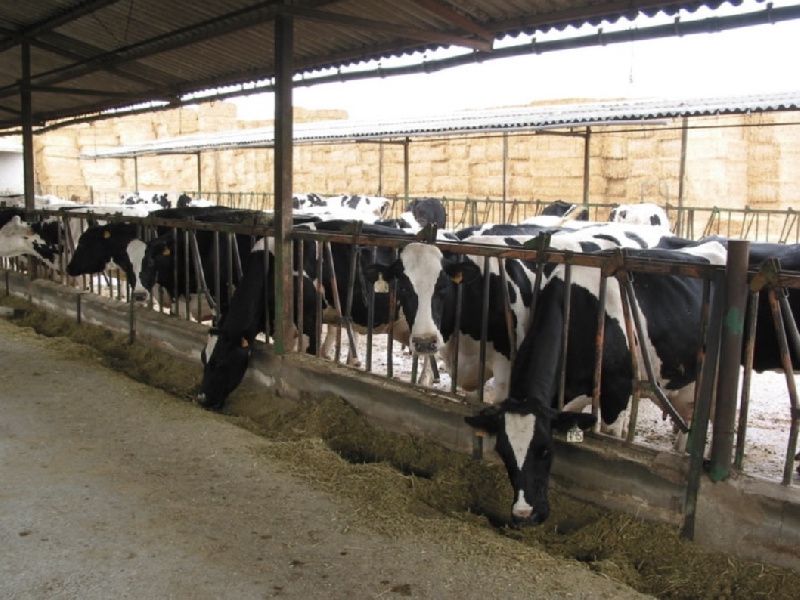
In Los Altos de Jalisco, the company’s Margarita programme has operated continuously for 16 years and supports more than 1,000 small and medium-sized livestock farmers. Its services include agronomic advice, preventive veterinary care, access to finance and the formulation of consistent feed rations. Average daily milk production among participating cows has doubled, from an initial 15 litres to 30 litres per animal. The programme brings together support for animal health, feeding and crop production within the same farm-development framework.
Winter cover crops and soil-conservation practices have helped protect forage-maize fields during severe droughts. In San Juan de los Lagos, the article describes participating farms retaining crops while conventional producers lost harvests because of insufficient irrigation. Milk collected after morning milking in hygienic parlours is transferred to shared insulated tanks and immediately cooled to 4°C. This handling preserves the milk’s casein and butterfat before insulated tankers transport it to dairy-processing plants.
Danone purchases cow’s milk through formal contracts for use in stirred yoghurt, fermented drinks and dairy desserts. The article describes its developed local supply base as providing protection against international price volatility. It places this procurement model within a Mexican retail market where dairy blends and imitation products are sold through supermarkets and traditional outlets. Those competing formulations include products made with palm or soya fats and imported dried whey. The account links Danone’s domestic sourcing to food-safety standards and product quality, while describing urban consumers’ interest in nutrition and brands’ climate commitments.
Feed accounts for more than 70% of current operating costs per litre of milk on dairy farms in the Bajío and western Mexico. Higher output per cow spreads fixed labour and corral-maintenance costs across more milk. Through its global supplier-audit mechanism, Respect, and financial partnerships, Danone facilitates concessional loans for upgrading milking parlours and purchasing forage-preservation infrastructure. The financing arrangements are accompanied by predictable income and regular payments every fortnight. The article presents this access to formal credit as a way for family farms to manage rising agricultural input costs and reduce reliance on intermediaries.
Danone also operates the Madre Tierra programme in Michoacán and Guanajuato, where regenerative practices are being adapted to other agricultural settings. The article identifies expansion beyond pilot projects, including into additional dairy and fruit-producing regions, as a task for coming commercial cycles. It calls for agricultural authorities and livestock-development committees to extend technical training and water-management arrangements. It also proposes closer collaboration between academic institutions, commercial banks and industrial processors to support investment in biodigesters and water-collection systems on small farms.