DairyNZ expands pasture trials across New Zealand’s upper North Island
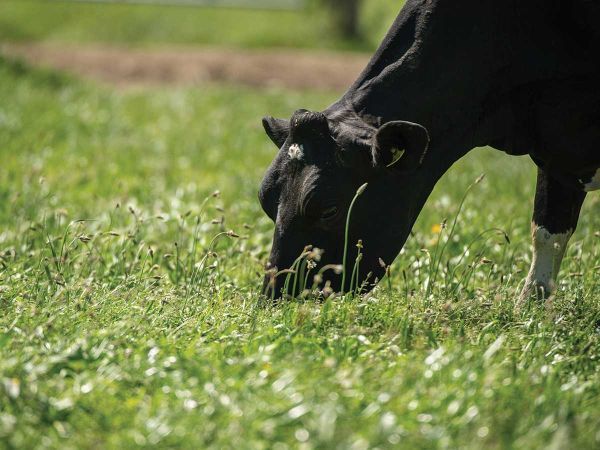
DairyNZ’s Resilient Pastures programme is now conducting commercial field trials on 15 farms in New Zealand’s upper North Island. The participating operations are planting and tracking between three and five mixes of alternative pasture species while continuing their normal farming activities.
The network includes dairy, sheep and beef farms across Waikato, Bay of Plenty and Northland. The trials examine forage options in conditions where conventional perennial ryegrass pastures have shown reduced persistence and earlier failure during periods of changing weather.
The initiative will run for seven years. DairyNZ is leading it with the Ministry for Primary Industries through the Sustainable Food and Fibre Futures fund, with Beef + Lamb New Zealand and industry trusts also involved.
Dr Elena Minnee, a senior scientist at DairyNZ, said commercial farmers had asked for field-based evidence on alternative forage varieties. The programme therefore tests the pastures on working farms rather than relying only on controlled research plots. Its measurements include methods for establishing the swards, seasonal grazing practices and approaches to weed control.
The research is also assessing how grazing management affects alternative species. Tall fescue and subtropical grasses have different growth patterns, plant structures and recovery needs from perennial ryegrass. Agronomists involved in the programme say that applying standard ryegrass rotation schedules to those species can damage the pasture. Farmers may instead need to alter stocking levels and the amount of plant material left after grazing.
DairyNZ has set up a separate grazing trial at its Scott Farm research facility to study the effects of management practices on the yield and durability of tall fescue. The second phase of the programme will add regional discussion groups, farmer-led field days and wider collection of measurements across the 15 commercial sites.
The programme links pasture persistence with farm costs in the upper North Island. Hotter, drier summers and uneven rainfall have led some pastoral producers to re-establish pastures more frequently and use additional summer feed crops when pasture cover falls. DairyNZ says longer-lasting forage stands could reduce repeated reseeding, fuel, machinery and chemical costs, while making annual dry-matter feed supply more consistent.