Dairy Proteins Expand Beyond Sports Nutrition
The dairy-protein market is undergoing a structural shift globally and in Latin America. Ingredients once associated mainly with muscle-building products are increasingly included in formulations designed for general wellbeing, preventive health and satiety, according to sector analyses cited by Food News Latam.
The main products involved are whey-protein concentrates (WPC), whey-protein isolates (WPI) and caseins. Their expanding use has been linked in the source to greater consumer interest in nutrient-dense diets and demographic change, including population ageing. The ingredients are being considered for food and medical-nutrition applications alongside their established role in sports nutrition.
Medical and geriatric nutrition has become an important application because of concern over sarcopenia, the progressive loss of muscle mass among older adults. Milk proteins contain essential amino acids, including leucine, and the source describes them as having high bioavailability compared with plant alternatives. Weight-management programmes and diets focused on glucose stability have also incorporated dairy proteins for younger and older adults with active lifestyles.
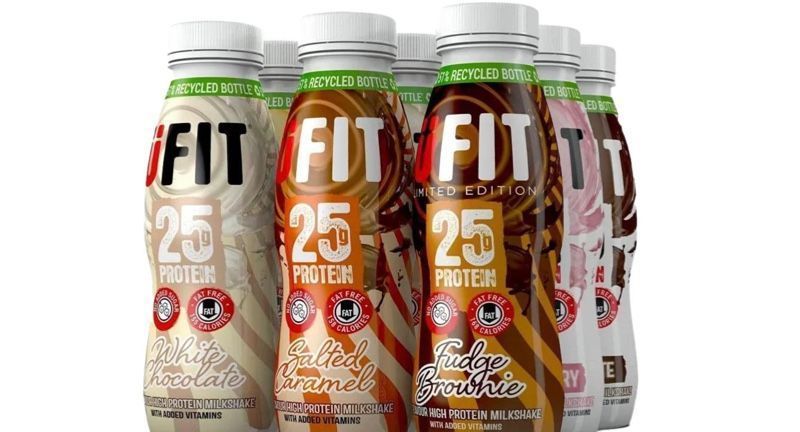
Processing developments have addressed earlier difficulties involving taste, solubility and heat stability. Fractionation, ultrafiltration, microfiltration and hydrolysis are used to produce functional proteins with a neutral flavour and improved dispersibility. These characteristics allow manufacturers to add them to ready-to-drink beverages, clear protein waters, energy bars, baked goods, chilled desserts and healthier snack products without changing texture or palatability, according to the article.
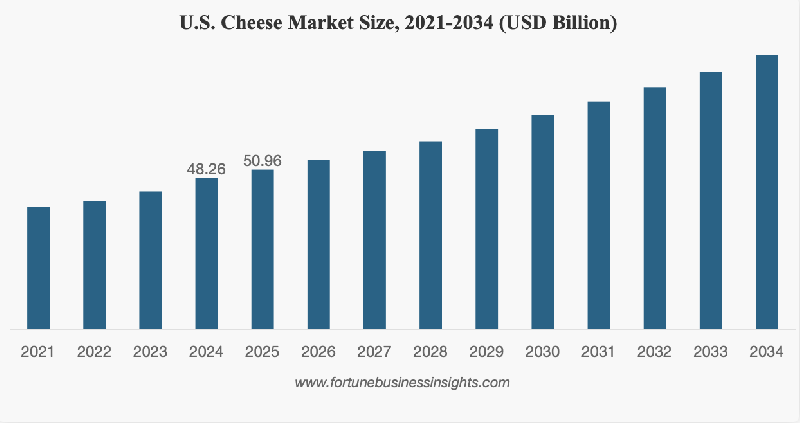
The higher-value use of dairy components has also changed the role of cheese-making whey in the processing chain. Whey was historically treated as a low-value by-product, or as waste with environmental consequences. Processing it into high-purity protein ingredients has created an additional revenue stream for modern dairy plants and increased the value obtained from the non-fat solids in milk. The source says this can help processors reduce exposure to price volatility in traditional staple products and provide greater stability for primary producers.
In Latin America, companies developing high-protein products must work within strict front-of-pack warning-label rules. The article identifies clean-label formulations, with limits on excess sodium and artificial sweeteners, as a regulatory and product-development consideration. It also highlights affordable packaging, convenient portions and clear communication of functional attributes as areas being addressed as dairy proteins enter broader food categories.