Dairy Production Challenges in Mato Grosso Amid National Growth
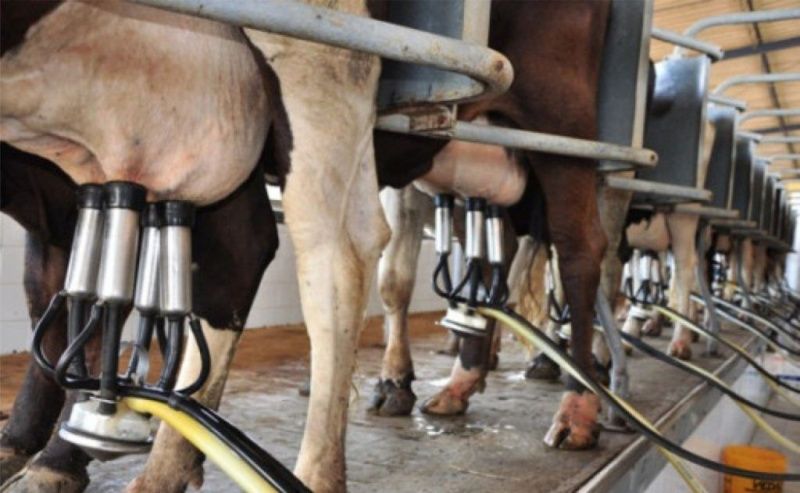
The dairy industry in Mato Grosso is confronted with several challenges, as highlighted in a recent meeting addressing local production issues. In 2024, the state produced 432.5 million liters of milk, marking a 5.2% decrease compared to the previous year, according to the Instituto Brasileiro de Geografia e Estatística (IBGE). This decline places Mato Grosso 14th in the national production ranking, contributing approximately 1.2% to Brazil's total milk output.
In contrast, Brazil saw a record national production of 35.7 billion liters in 2024, a 1.4% increase, resulting in R$ 87.5 billion in revenue for rural properties, as reported by the Ministry of Agriculture and Livestock. The country's formal milk collection rose by 8.5% in 2025, reaching 27.5 billion liters.
Mato Grosso, known for leading the nation in cattle herds and beef production, remains limited in dairy production. Producers cite several factors for this disparity, including the distance between farms, high transportation costs, insufficient cooling infrastructure, a scarcity of dairies in certain regions, and limited access to technical support.
These challenges were a focal point of the recent seminar, which addressed issues related to laboratories, transportation, storage, and milk collection. The lack of rapid quality testing delays problem identification, while long distances to dairies increase collection costs and product spoilage risks.
The seminar also discussed sanitary inspection and market access, emphasizing the establishment of Municipal Inspection Services (SIM) and the integration into the Sistema Brasileiro de Inspeção de Produtos de Origem Animal (SISBI-POA). This integration allows establishments to expand their market reach beyond local municipalities to the national level, particularly benefiting products like cheese, butter, and yogurt.
The seminar's outcomes will be organized into 11 strategic areas, including cooperativism and rural credit, production financing, technical assistance, professional training, research and innovation, animal health, milk quality, logistics and storage, agro-industrialization and value addition, marketing, and family succession.
Participants were able to attend the seminar either in person at the Juína City Council or virtually, with provisions for online participation and certification. The event was organized by the Federal Superintendence of Agriculture and Livestock in Mato Grosso, the Intermunicipal Public Consortium of Vale do Juruena, the Regional Council of Veterinary Medicine, the Federal Superintendence of Agrarian Development, and the Agricultural Defense Institute of Mato Grosso.