Dairy Nutritionists Seek Higher Protein Alongside Butterfat
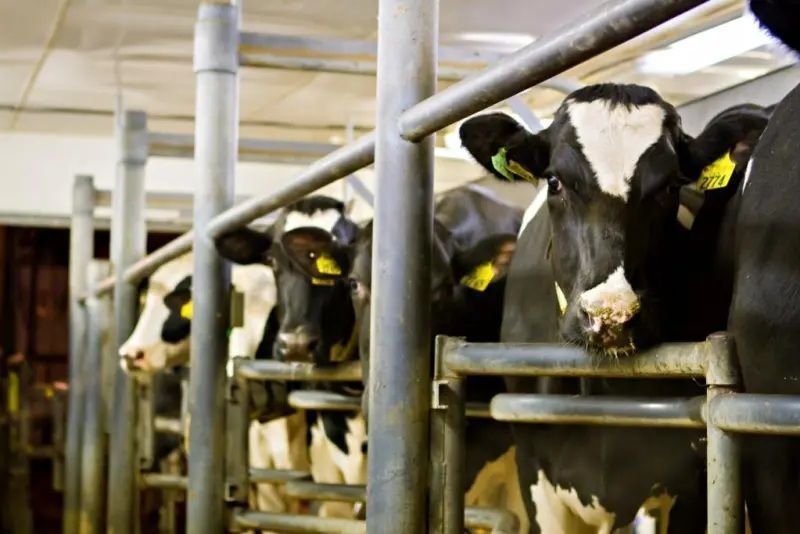
A technical analysis published by Dairy Herd Management examines how dairy producers can increase milk-protein output while retaining elevated butterfat levels. Pricing systems operating through the Federal Milk Marketing Orders have rewarded high butterfat tests for several production cycles, with national averages rising above 4.2%. At the same time, cheese manufacturers and ingredient processors require greater recovery of true milk protein.
The analysis distinguishes between crude protein and the amino acids that cows can metabolise. Methionine and lysine are identified as particularly important, provided that they are supplied in suitable proportions and alongside sufficient energy. Feeding more crude protein than the animal requires can increase blood and milk urea nitrogen. The cow then uses metabolic energy in the liver to convert surplus ammonia into urea rather than directing that energy towards milk-component production.
Rumen function is described as the basis for rations designed to produce both components. Bacterial fermentation in the rumen generates microbial crude protein, which supplies most of the balanced amino acids available to the cow. The analysis says that microbial production depends on maintaining an appropriate rumen pH through adequate physically effective neutral-detergent fibre and a balanced supply of fermentable carbohydrates.
Starch management is also central to the feeding strategy. Rapidly fermentable starch supplies propionate, which supports milk volume and protein production. However, excessive amounts or very finely ground starch can raise the risk of subacute ruminal acidosis. That condition can interfere with the processes involved in milk-fat formation and lead to lower fat tests.
Rumen-protected amino acids are presented as a way to supply methionine and lysine beyond rumen degradation. According to the analysis, their use can allow total dietary crude protein to be reduced to between 15% and 16% while improving the efficiency with which metabolizable protein is used. The stated effect is support for casein synthesis and an increase of 0.10 to 0.20 percentage points in true milk-protein tests, while preserving the rumen conditions associated with the production of fatty acids within the mammary gland.
The analysis advises dairy managers to monitor the total pounds of fat and protein shipped per cow each day, rather than assessing milk volume or fat percentage separately. It links that measurement approach with forage quality, rumen-fermentable energy and targeted amino-acid supply. The article also notes that processing capacity for high-protein consumer products and cheese is expanding, while providing no specific timetable or production forecast.