Dairy Farms Emphasize Safety Culture to Protect Workers
Dairy farms are increasingly focusing on creating a safety-first culture to protect their workers. This includes making health and safety a priority in all team meetings, as suggested by Palmer. Farm management is encouraged to keep machinery maintenance visible to leadership by using tools like a dedicated whiteboard to log equipment issues.
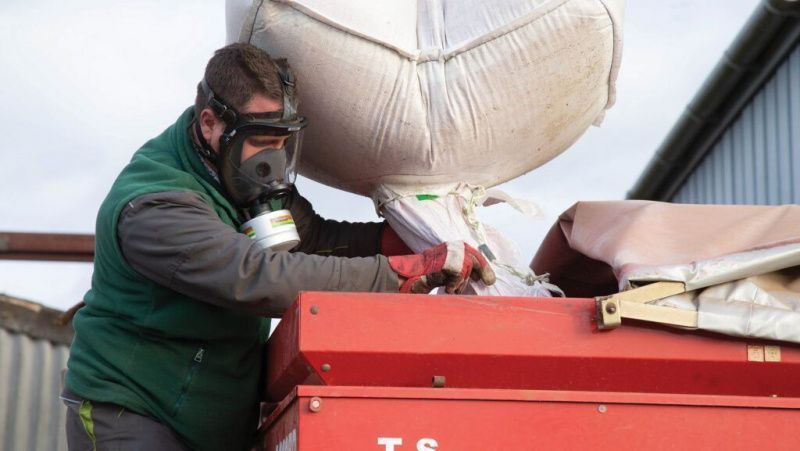
A significant operational challenge is ensuring compliance with Personal Protective Equipment (PPE). Time constraints and routine shortcuts often lead staff to neglect safety gear. Palmer stresses the importance of farm owners not only providing necessary items like ear defenders, goggles, and gloves but also educating workers on the potential long-term consequences of non-compliance, such as hearing damage and zoonotic diseases.
Innovations in equipment are aiding in this effort. For instance, noise-adjusting ear protection that allows conversation and high-dexterity gloves are making PPE more practical for everyday farm tasks.
The safety culture also focuses on vulnerable groups, such as younger and less experienced workers, older employees with reduced agility, and family members who may underestimate workplace risks. To combat knowledge gaps and prevent injuries, farm owners are advised to employ trusted professionals, such as veterinarians, to provide hands-on training in safe livestock handling and correct injection techniques.
By addressing these safety measures, dairy farms aim to reduce accidents and ensure a safer working environment for all employees.