Dairy Farming’s Social Licence Is Under Pressure
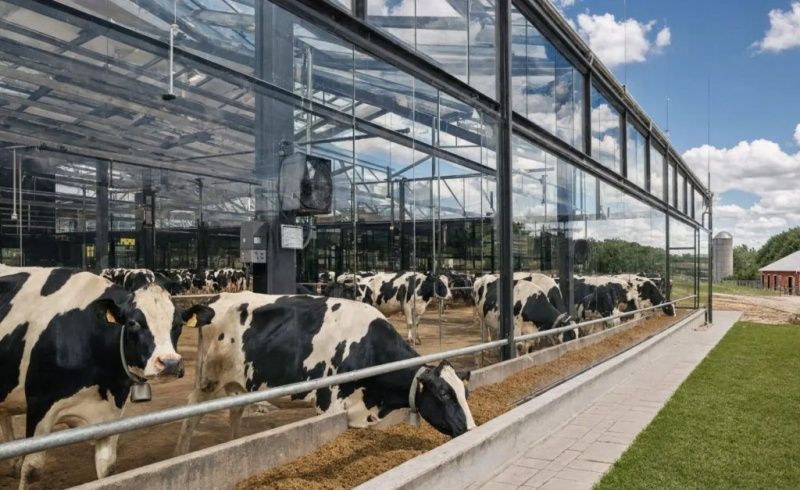
The analysis says conditions in the milking parlour connect animal welfare with farm performance. A cow that struggles, kicks or repeatedly defecates while entering the parlour may be experiencing chronic anxiety. Worn rubber liners that pinch teats, or incorrectly calibrated vacuum levels that cause painful congestion, can inflict suffering as well as reduce milk flow.
Calm handling, accurate pulsation and properly adjusted liners are described as changing the milking environment. Under those conditions, the cow may associate the parlour with relief and reward; oxytocin can flow more freely, and the animal can be milked out more quickly.
The analysis places these practices within a wider change in international animal-welfare standards. For decades, the industry commonly referred to the “Five Freedoms”, which focused on preventing hunger, thirst, pain, fear and thermal discomfort. Scientists and agricultural organisations are now adopting the “Five Domains” model, associated with Mellor’s 2020 work. It covers nutrition, the physical environment, health and behavioural interactions, alongside the animal’s mental and emotional state.
Under that model, welfare is not limited to the absence of visible suffering. The stated objective is to provide conditions in which an animal has a life worth living. The analysis presents this change as relevant to the dairy sector’s relationship with consumers and society.
It defines a dairy industry’s “social licence to operate” as the implicit permission granted by society, based on public trust and shared ethical values. Unlike an environmental or export licence, it is not renewed on a fixed annual schedule. The text says that sectors which fail to reflect changing consumer values can face falling confidence, weaker demand and increased pressure for government regulation. It cites veal and caged-poultry industries as examples of sectors that experienced sudden regulatory bans and retail boycotts after losing public trust.
The analysis says consumers increasingly assess more than the calcium, fat and protein in milk. They also want evidence that the supply chain protects the planet and recognises the cow’s biological contribution. For Brazilian producers, it identifies investment in comfort, correct milking-equipment calibration and careful hoof and udder management as measures that can support additional lactations, reduce herd replacement needs and improve the farm’s environmental result. The article was produced by eDairyNews using information published by Food & Agribusiness.