Dairy farming and Formula One increasingly rely on data
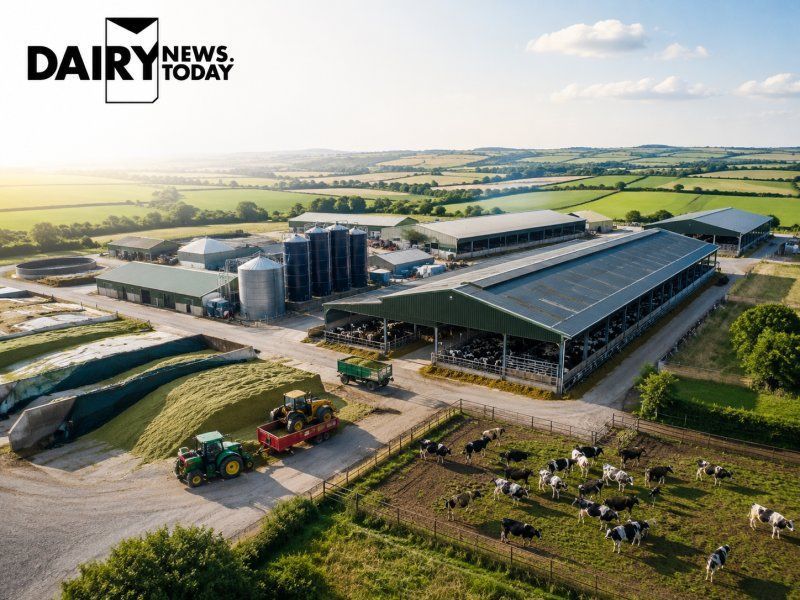
Modern vehicles continuously collect information about their operation. Sensors can identify incorrect tyre pressure, detect engine irregularities, signal when maintenance is due and respond to hazardous situations. Similar monitoring systems are being used in dairy farming, where collars, pedometers and smart ear tags can record cows’ activity and behaviour throughout the day.
Changes in rumination time, movement or other behaviour may produce an alert before clear clinical symptoms appear. The systems give farmers information that can be used to identify potential health problems earlier. In this respect, dairy technology follows the same shift from correcting failures after they occur towards detecting irregularities in advance.
Digital tools are also used beyond animal monitoring. Automated feeding equipment can distribute rations more precisely, reduce waste and improve the conversion of feed into milk. During milking, sensors can examine milk parameters and identify alterations associated with potential problems such as mastitis.
Weather data can be incorporated into daily farm management to help address heat stress, which the article identifies as an increasingly relevant issue for production and animal welfare. Wastewater and other effluents are also being handled through systems that can use them as fertiliser, reclaimed water, biogas or a source of electricity.
The article describes the dairy sector as having changed faster than its public image. Livestock production is still often associated with a high environmental impact, while the sector is also using technology to improve efficiency and apply resources more precisely. These practices can support a lower environmental footprint per unit of production.
The stated challenge extends beyond producing a larger volume of milk. Dairy production supplies protein with high biological value, as well as calcium, vitamins and other nutrients. The article presents greater efficiency in producing these foods as part of the task of providing high-quality protein for a growing global population with a progressively smaller environmental footprint. It also identifies communication as a challenge, because many of the changes taking place inside dairy farms remain less visible to the public than technological changes in cars. Sensors, data, efficiency and anticipation are described as common features of modern automotive and dairy systems.