Dairy Farmers Get Guidance on New World Screwworm
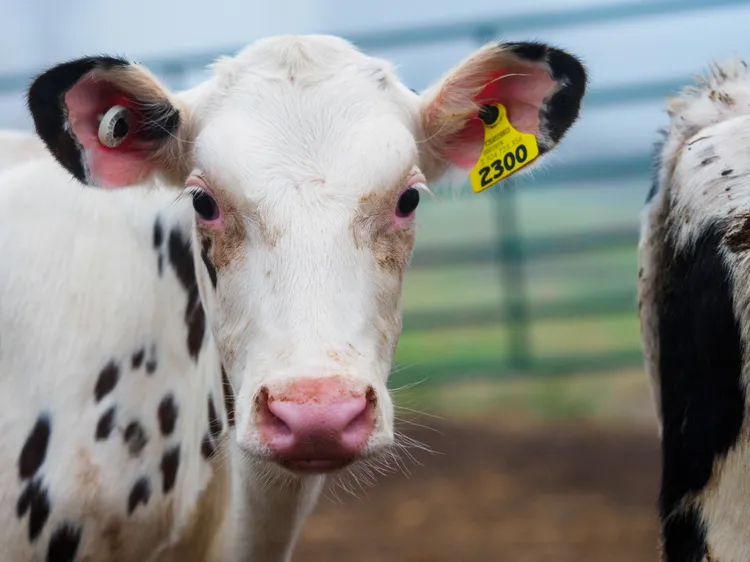
New World screwworm flies lay eggs in wounds, and their larvae feed on living tissue. Peggy Thompson, associate director for cattle technical marketing at Boehringer Ingelheim, discussed the disease during the 2026 World Dairy Expo in Madison, Wisconsin. She said the greatest risks in dairy herds involve the navel and umbilical area, along with injuries caused by dehorning and castration. The concern is currently concentrated in Texas and along the southern border, but cattle movements can carry pests between regions.
Any break in the skin can provide an entry point. Thompson cited unnoticed tick bites and fluids around the vulva after calving as possible attractants. Injection sites are considered less likely to create a suitable wound because they usually produce little or no drainage. She said dairy producers already observe cattle during feeding and milking, making daily visual checks of wounds a routine part of herd management. She contrasted this with beef operations, where cattle may remain in fields without being examined each day.
Early indications can include an unusual smell from a draining wound. The odor may resemble an infection because larvae, bacteria and damaged tissue are present. Producers should examine the navel and any sites affected by castration or dehorning every day. New World screwworm larvae are difficult to distinguish visually from larvae of insects that consume dead tissue. Thompson said that any maggots found in a wound should be shown to a veterinarian rather than identified by the producer.
The Texas Animal Health Commission recommends using gloves and forceps to collect several larvae. Samples should include, where possible, the different developmental stages—L1, L2 and L3—and should be placed in 70% isopropyl alcohol or ethanol. The herd veterinarian can submit specimens to the United States Department of Agriculture, where an entomologist may identify them. Thompson said producers should report suspicious findings and seek veterinary assistance even when the infestation is uncertain.
Thompson advised farms buying cattle to use quarantine and inspection procedures rather than moving newly purchased animals directly into the milking herd. She described a quarantine period of three to four weeks, with a minimum of 21 days, followed by possible treatment. Producers moving cattle from an infested area should check current USDA requirements and their state’s import and export rules before transport. She said that animal movement, rather than the unaided northward movement of the fly, is the main means by which flies and larvae spread.
Temperature and moisture affect the pest’s development. Thompson said the fly generally does not favor temperatures below roughly 47°F to 50°F, while larvae do not pupate under those conditions. Development is associated with temperatures of about 50°F to 80°F, as well as summer conditions, humidity and rain. If the pest became established in a region, producers might consider changing the timing of dehorning, castration or calving, although Thompson presented these as management options under consideration rather than standard requirements.
The Texas Animal Health Commission and USDA have been releasing sterile flies in affected areas, according to Thompson. Several products have received Emergency Use Authorization from the FDA, but their permitted uses differ between prevention and treatment. IVOMEC 1% Injection may be used to prevent infestation within 24 hours of birth, at castration or when a wound appears; it is not intended to treat an infestation already present. Its preventive use does not apply to female dairy cattle of breeding age producing milk for human consumption. Other products may be available for prevention or treatment, depending on the animal’s age and the product label. Thompson said producers should consult their herd veterinarians about product selection, timing and administration. Her guidance was: “Monitor, report, and prepare. Have a plan in place for if it does happen.”