Dairy Farmers Can Protect Milk Premiums Through Hygiene
Dairy farmers are being advised to examine the daily procedures used to maintain milk quality, particularly on farms where several employees or relief workers share milking duties. Alison Clark, from dairy hygiene company Progiene, said clearly documented instructions and consistent communication were important starting points.
Clark said cleaning problems could occur in both conventional parlours and robotic milking systems. They may become visible only after milk-quality results worsen. During farm visits to investigate rising Bactoscans or test wash cycles, she said, Progiene had found basic mistakes that were associated with lost premiums and, in some cases, milk-price penalties.
Examples include wash water being too cold and disinfectant being mixed at the wrong strength. Such conditions can leave organic material inside milking equipment, creating locations where bacteria can multiply. The underlying issue may be a mechanical fault or an error in the operating routine, but Clark said many faults could be corrected after they had been identified.
She recommended checking that cleaning chemicals match the farm’s water supply and milking equipment, and that they are applied at the concentrations specified by the manufacturer. Farms should also review wash-cycle performance and maintenance of the equipment as part of their routine checks.
Teat preparation is another part of the hygiene process. Clark said the milking procedure should be followed in the same way regardless of who is operating it, with staff hygiene and clean teats before cluster attachment given priority. Employees should know how to apply teat disinfectants and how long the products need to remain in contact with the teat. Dip cups should be washed thoroughly between milkings.
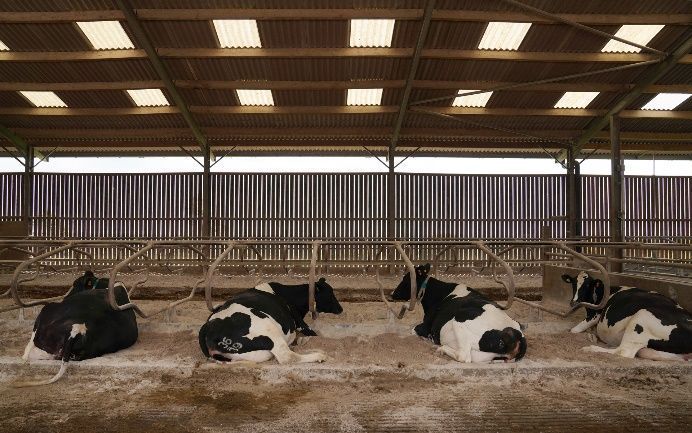
Regular procedures can help limit bacterial transfer during milking and support efforts to keep somatic cell counts within the bands used by milk buyers to award premiums. Clark also linked housing conditions to milk hygiene, saying clean bedding reduces the chance of teats becoming contaminated between milkings. She said procedures should cover antibiotic contamination risks in the bulk tank and the correct use of cleaning chemicals to limit residues.
Clark’s advice for farms reviewing their results was to begin with routine tasks: inspect the wash cycle, assess teat preparation and ensure that every person involved understands and follows the agreed process. She said a best-practice approach to dairy hygiene would benefit cows, farms, milk buyers and consumers.