Dairy farmers adopt specialised soy varieties to raise milk solids
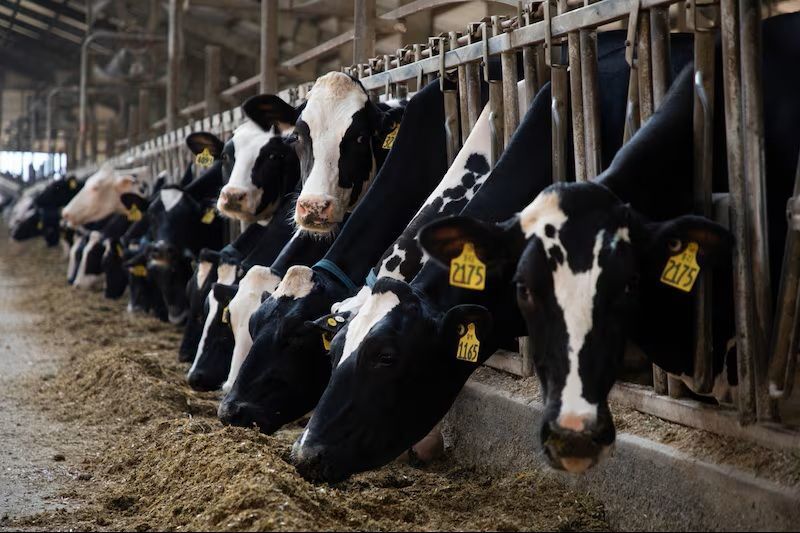
Producers are using higher-value soybean varieties and meals in dairy rations, including high-oleic soybeans and by-products with elevated levels of rumen-undegradable, or bypass, protein. The approach is designed to increase the production of total milk solids in the udder while supplying digestible lipids and essential amino acids.
The specialised feeds are also being used to influence rumen fermentation. Their stable unsaturated fatty acids are described as helping direct nutrients towards the mammary gland and as reducing the risk of milk-fat depression, a condition associated with diets containing high levels of conventional concentrates. The ration strategy is intended to support high lactation peaks without compromising rumen health or the body condition of high-producing cows.
Higher percentages of butterfat and milk protein can affect farm revenues where processors pay according to the concentration of solids in each litre delivered. The use of denser protein and energy sources can also allow producers to reduce or replace some commercial fat supplements. Examples cited include calcium soaps and bypass fats derived from palm, both of which are described as high-cost inputs.
The financial measure used for this comparison is Income Over Feed Cost, which reflects the margin remaining after feed expenses. The source links the use of specialised soy products with an improvement in that margin through greater milk-solids output and lower reliance on certain purchased fat supplements.
Milk from herds receiving the modified rations is described as having a richer texture, greater oxidative stability and a stronger flavour profile. These characteristics are relevant to processors making matured cheeses, creams, butter and premium fluid milk. The feed programme is also presented as addressing demand for functional foods with more balanced fatty-acid profiles and traceability from the farm.
The use of genetically optimised forage grains brings agricultural biotechnology together with precision nutrition and dairy-processing requirements. The stated objective is to match crop quality with the specifications of processors while improving efficiency, sustainability and value creation across the dairy supply chain. The report was sourced from Bloomberg Línea.