Cooper Aitken: Waikato milk output rises 7% as operating profit slips
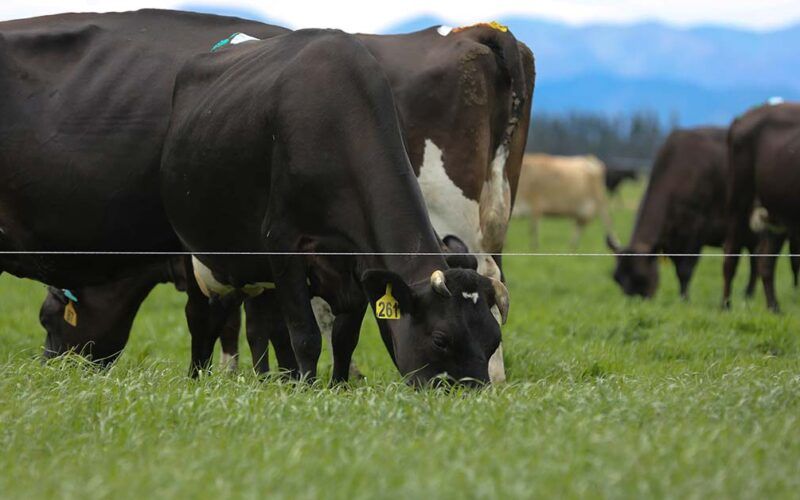
The rural accountancy firm’s survey covered 134 dairy businesses in New Zealand’s Waikato region, spanning owner-operated farms, 50:50 sharemilking arrangements, variable-order sharemilking and contract milking. Owner-operators earned an average of $1.64 million from milk production, against $1.47 million a season earlier. The analysis linked the season’s financial performance to favourable farming conditions, increased output and firm prices for both milk and livestock.
Across the six seasons covered by Cooper Aitken’s regional benchmarking, milk output per owner-operated farm increased by 21%. Production per hectare was 18% higher over that period, including a 6% increase in the latest season. Stocking rates changed little across the surveyed businesses. Rachel Robb, a partner at Cooper Aitken, attributed the production improvements to better pasture management, improved genetic conversion and favourable growing conditions.
Owner-operators’ operating expenditure reached $5.99 per kilogram of milk solids, compared with $5.45 a year before. Fertiliser spending increased by 40%, equivalent to another $206.65 per hectare. Animal-health expenditure rose by 20%, or $30.67 per cow, while purchased-feed costs increased by 10%, adding 18 cents per kilogram of milk solids. Use of cow-monitoring technology also became more widespread: 17% of surveyed farmers used wearable collars or ear tags, compared with 12% in the preceding season.
The results for 50:50 sharemilkers included a 28% increase in cash income, supported by strong livestock prices, alongside a 43% decline in financial costs. Their break-even level fell to $3.00 per kilogram of milk solids, while operating expenditure stood at $3.42 on the same basis. Cooper Aitken described their financial performance as among the strongest of recent years.
The benchmarking also examined the allocation of capital gains and co-operative dividends, including Fonterra’s capital return. Term-debt repayments received capital funds from 40% of farmers, while 24% added to working-capital reserves to provide a buffer against changes in interest rates and commodity markets. In its comparison of farm performance, Cooper Aitken identified expenditure control as the distinguishing feature of the highest-performing quarter. Their average feed bill was $1.46 per kilogram of milk solids, against $1.93 for owner-operators overall, and they maintained tighter control of labour spending.
As Waikato entered the peak spring production period of 2026–2027, Robb stressed the importance of preserving operating margins amid persistent input costs. She also advised preparing contingency plans for a potentially dry summer. The analysis identified feed-conversion efficiency, planned debt repayment and expenditure discipline as management priorities heading into 2027.